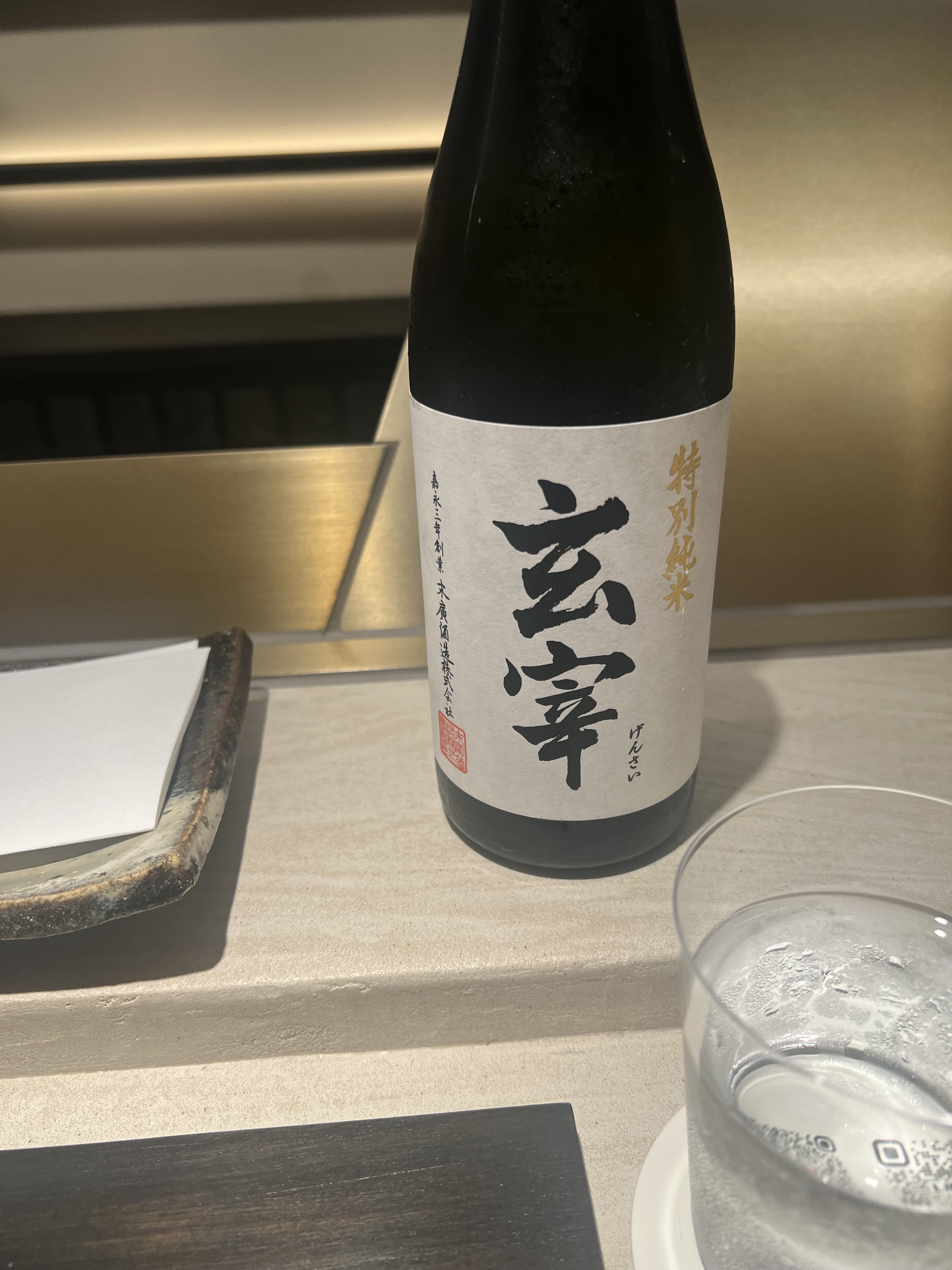
Robata
Tadenoha, 1st visit.
A well-known iroriya especially popular in summer menu featuring a comparison of grilled ayu. The name is for the water pepper leaves, from which the dipping sauce for ayu called tade-zu is made. Lucky to catch the ayu and suppon season here, along with some grilled unagi and a wild boar nabe and ending with soba.
Started with a chilled grilled eggplant puree with ginger and topped with suppon jelly.
Ayu soboro rice.
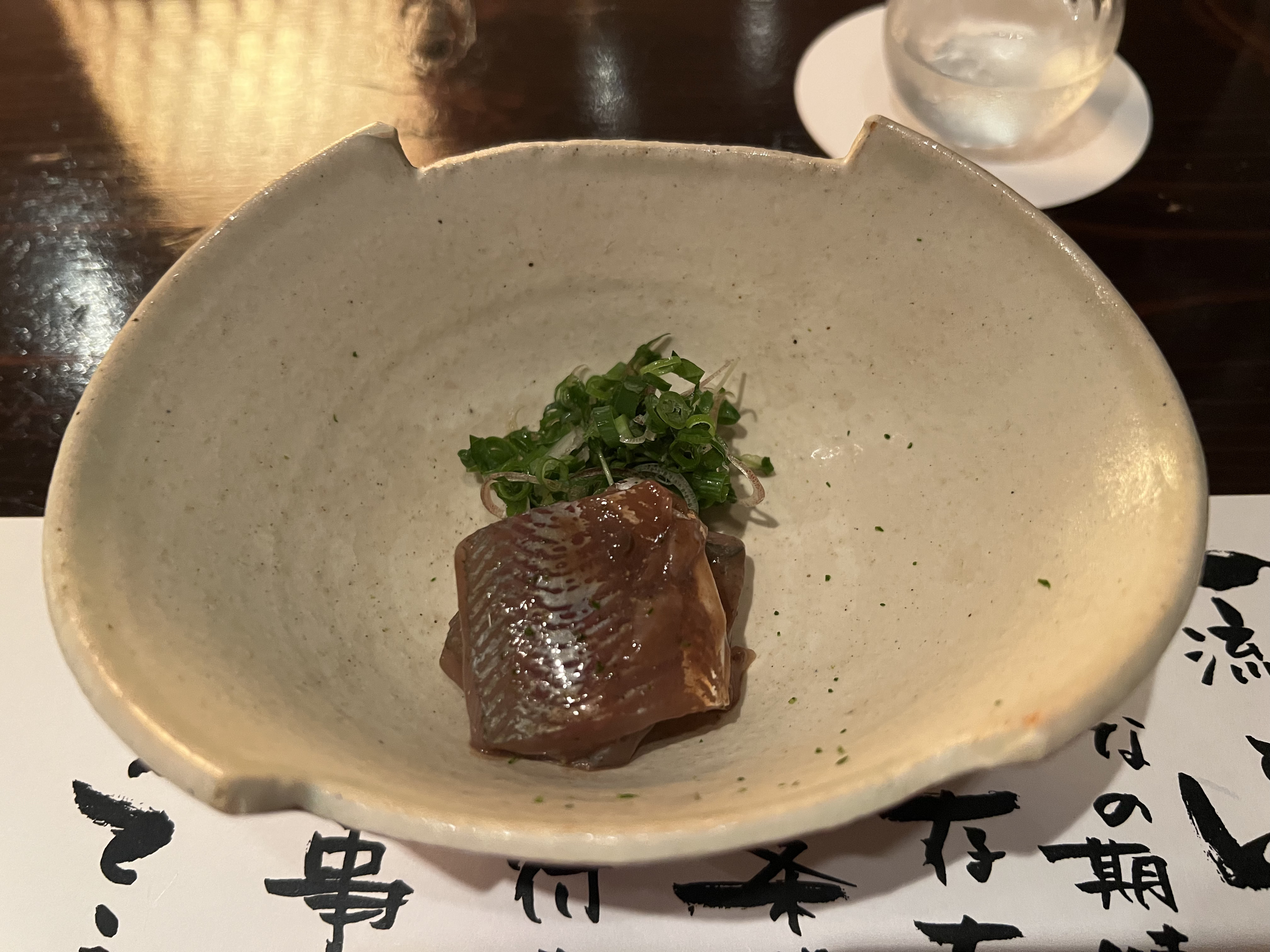
Ayu sashimi marinated in liver soy sauce.
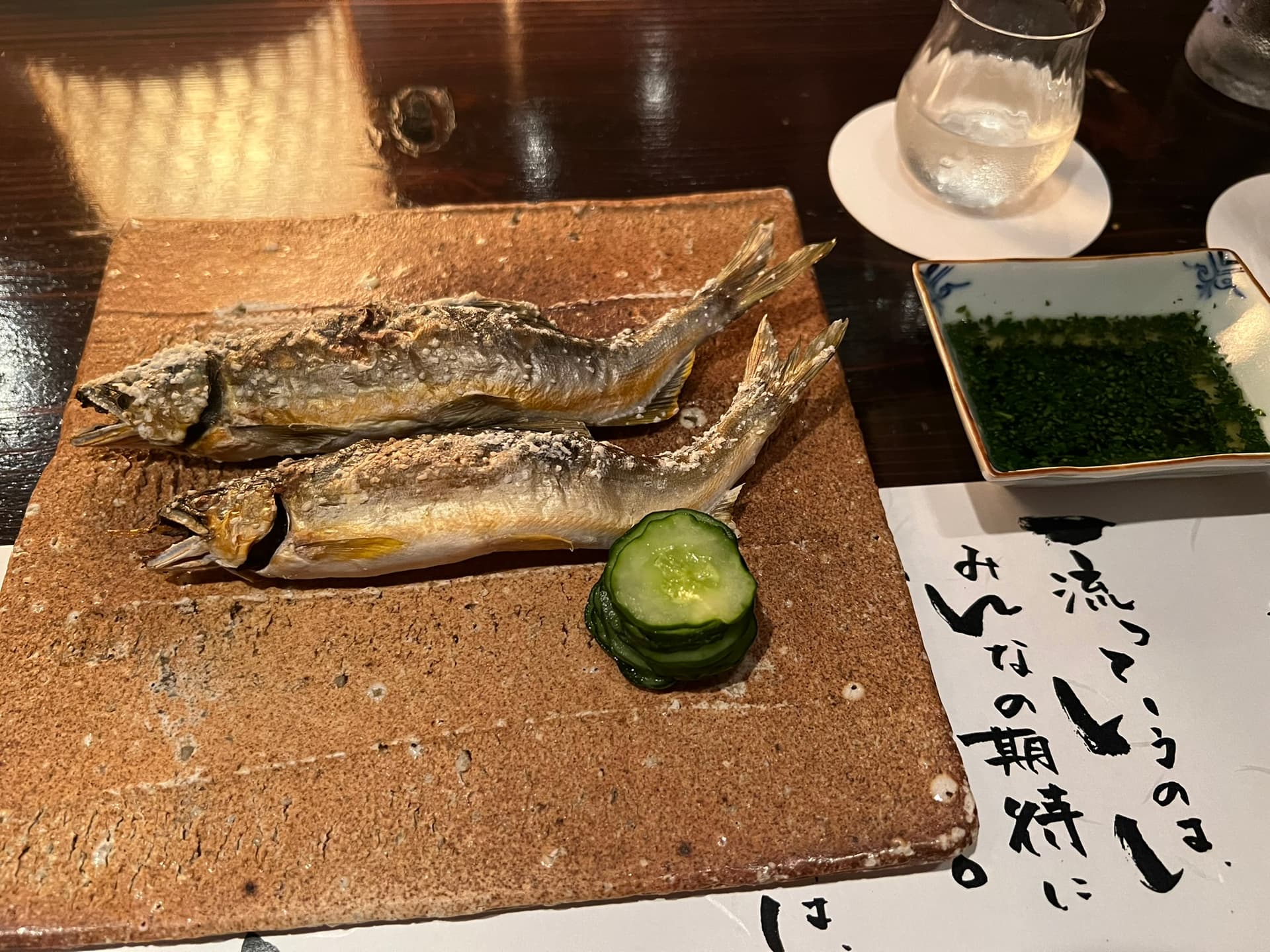
Grilled ayu comparison.
Mushroom tempura
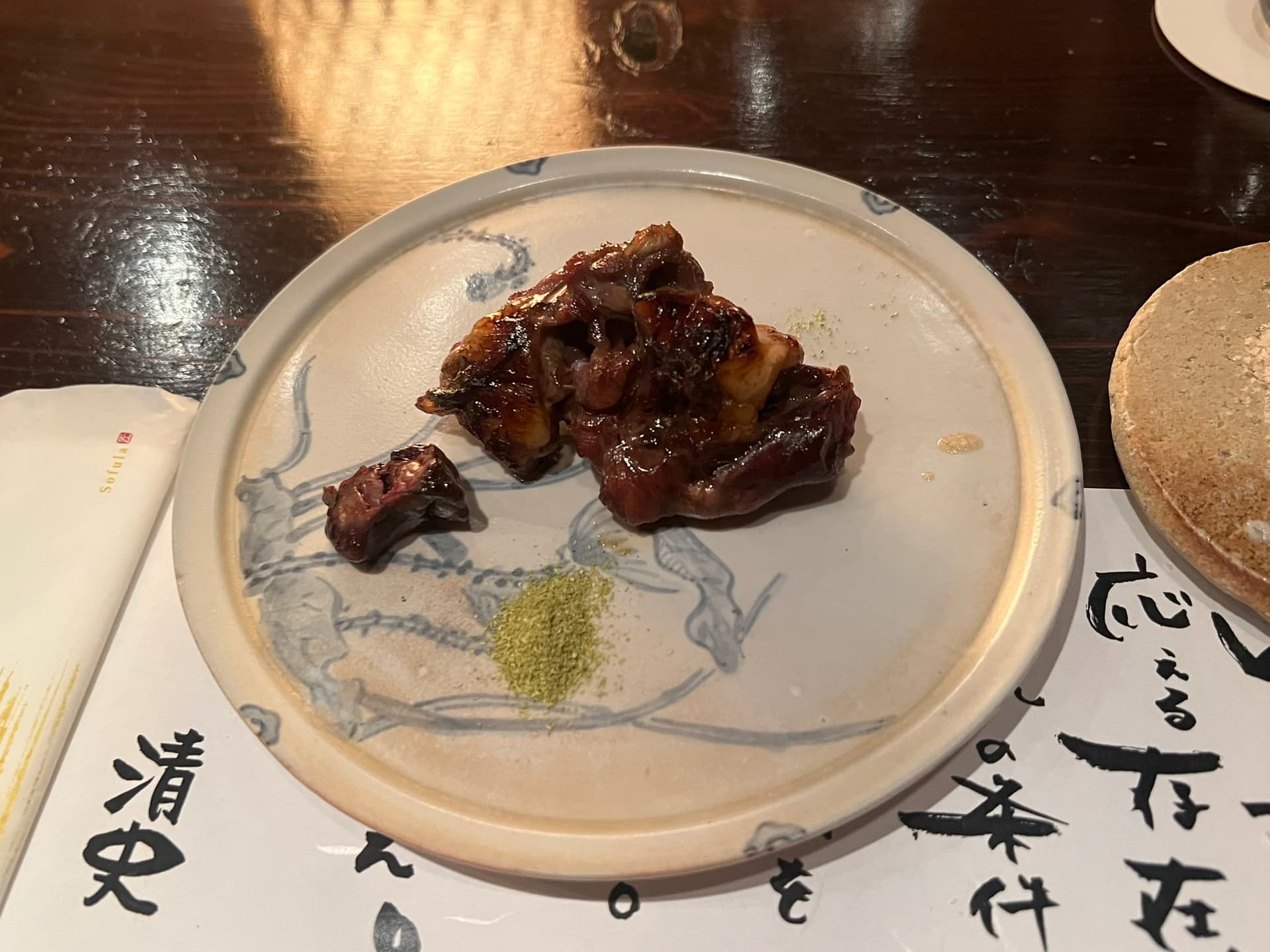
Grilled suppon
Ayu dengaku (strong miso based sauce)
Takiawase - chilled vegetables each cooked separately
Grilled unagi with crushed edamame
Wild boar and mushroom nabe
Rice pot with ginnan and fresh ikura with yuzu
Soba
Matcha
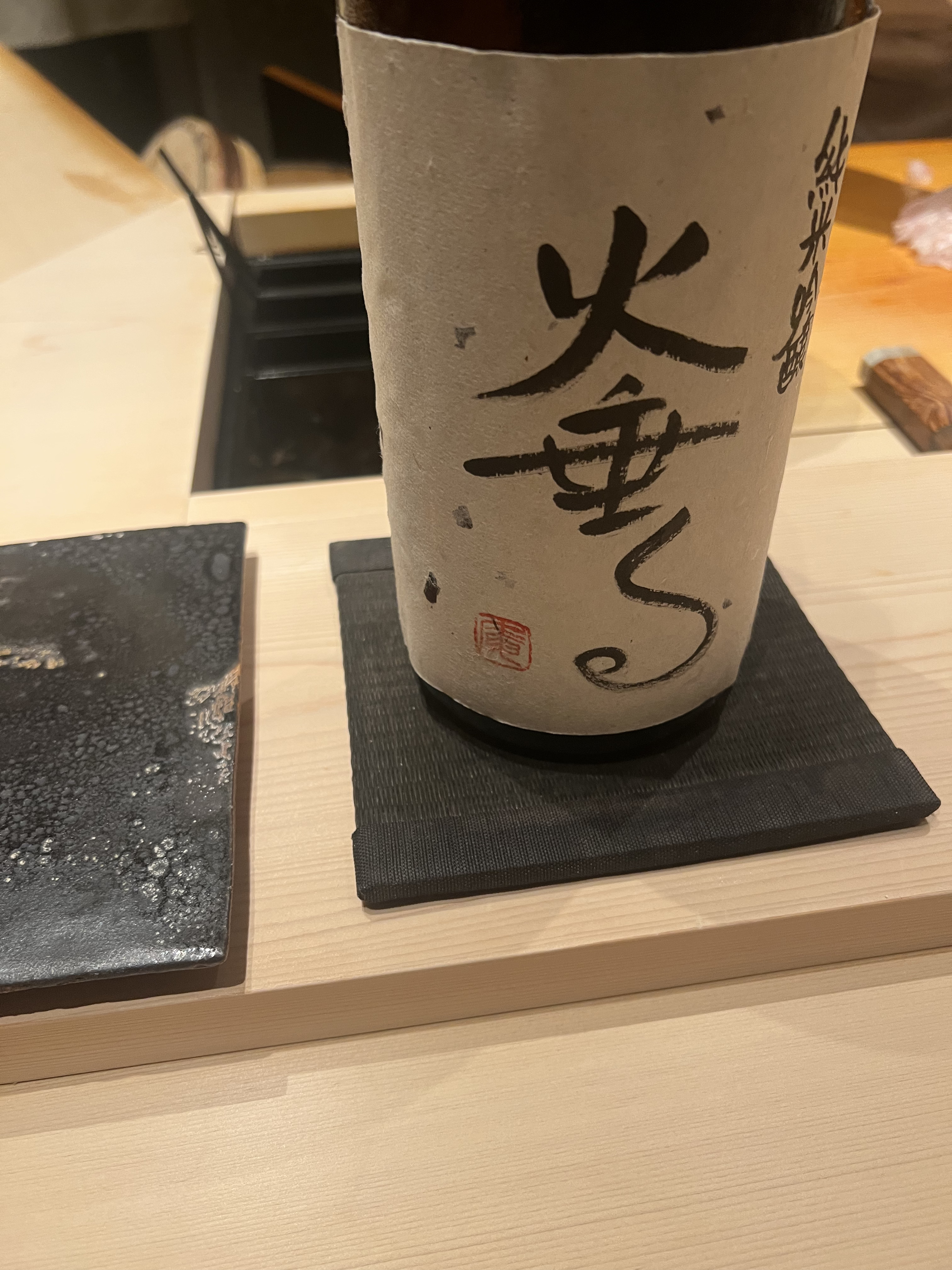
This food feels like satoyama cuisine. Close to nature and from the bounty of the mountains and lakes with old-school feel. It’s in the area of Gaiemmae, whose nice setting kind of belies the humble tavern feel of the restaurant. Good service even if no English is spoken. A couple of sakes - Mimurosugi, Hooubiden, Senkin.
The ayu is eaten whole, bones and all.
Ayu grilling

Ayu comparison, with tadezu
Ayu sashimi
Suppon (eaten with hands) with tare and a sansho powder. Love the springy meat by the bones!
Ayu dengaku
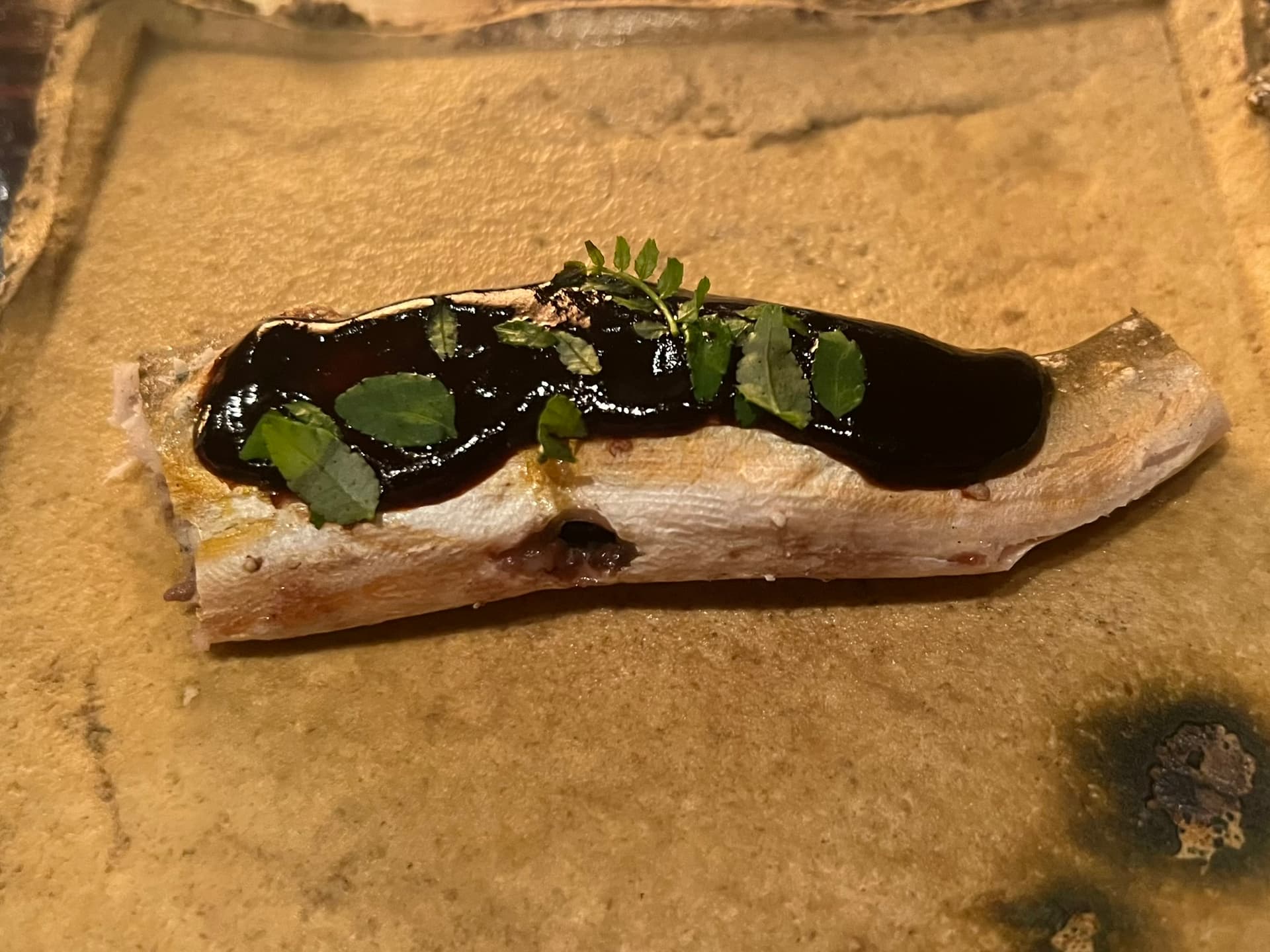
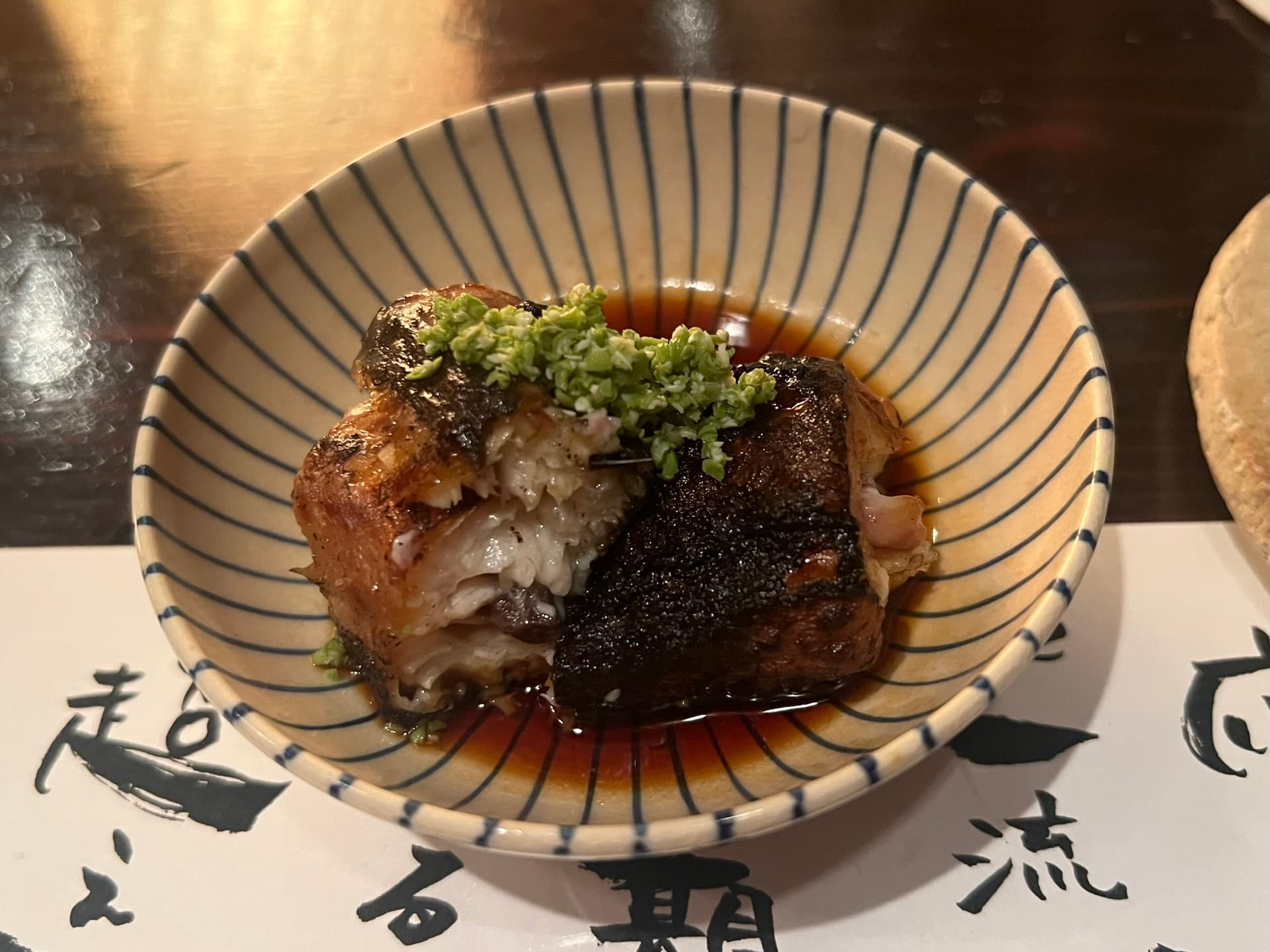
Grilled Unagi - thick, very crispy skin, fantastic texture.
Yoshoku and Tonkatsu
-
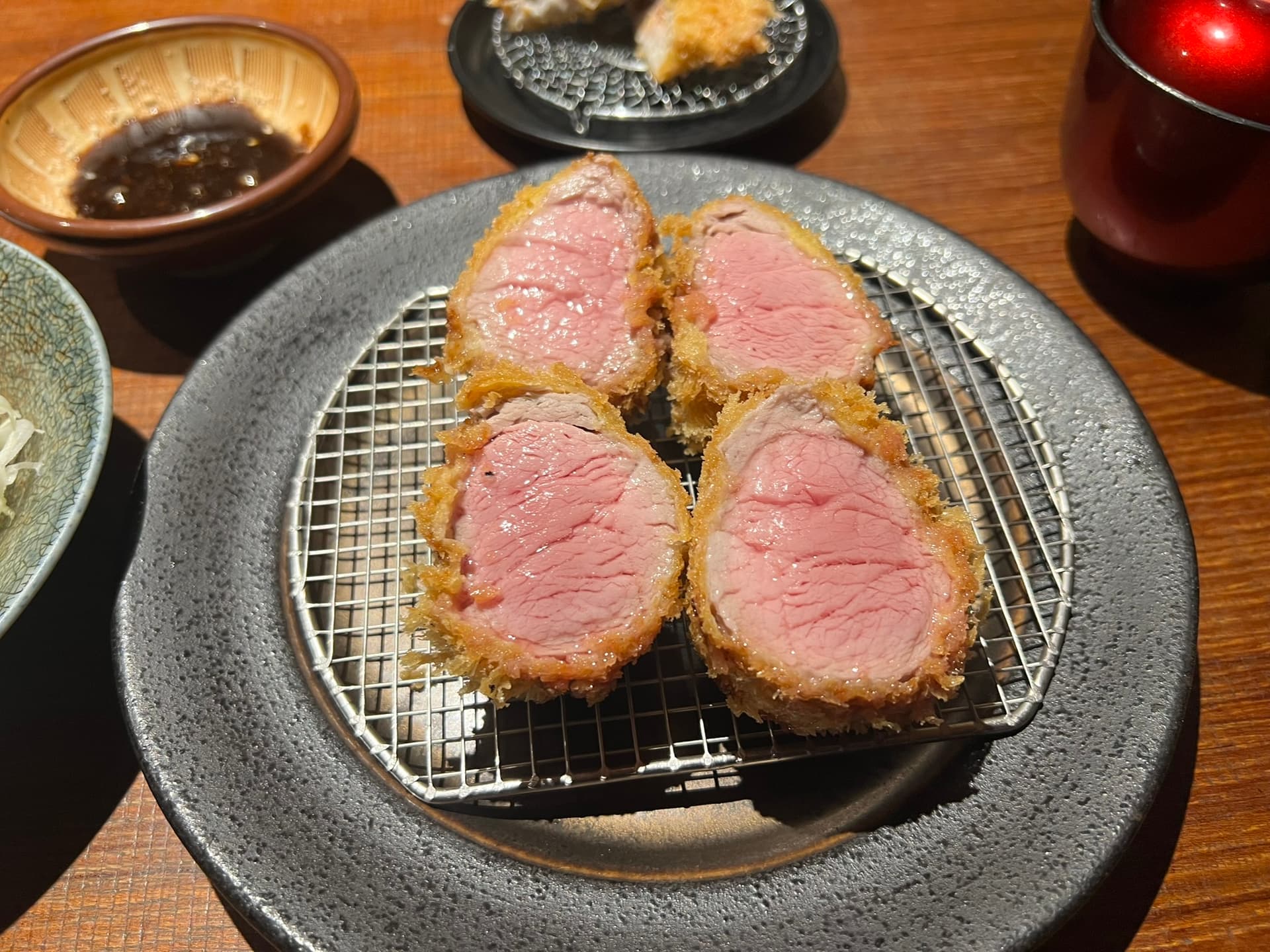
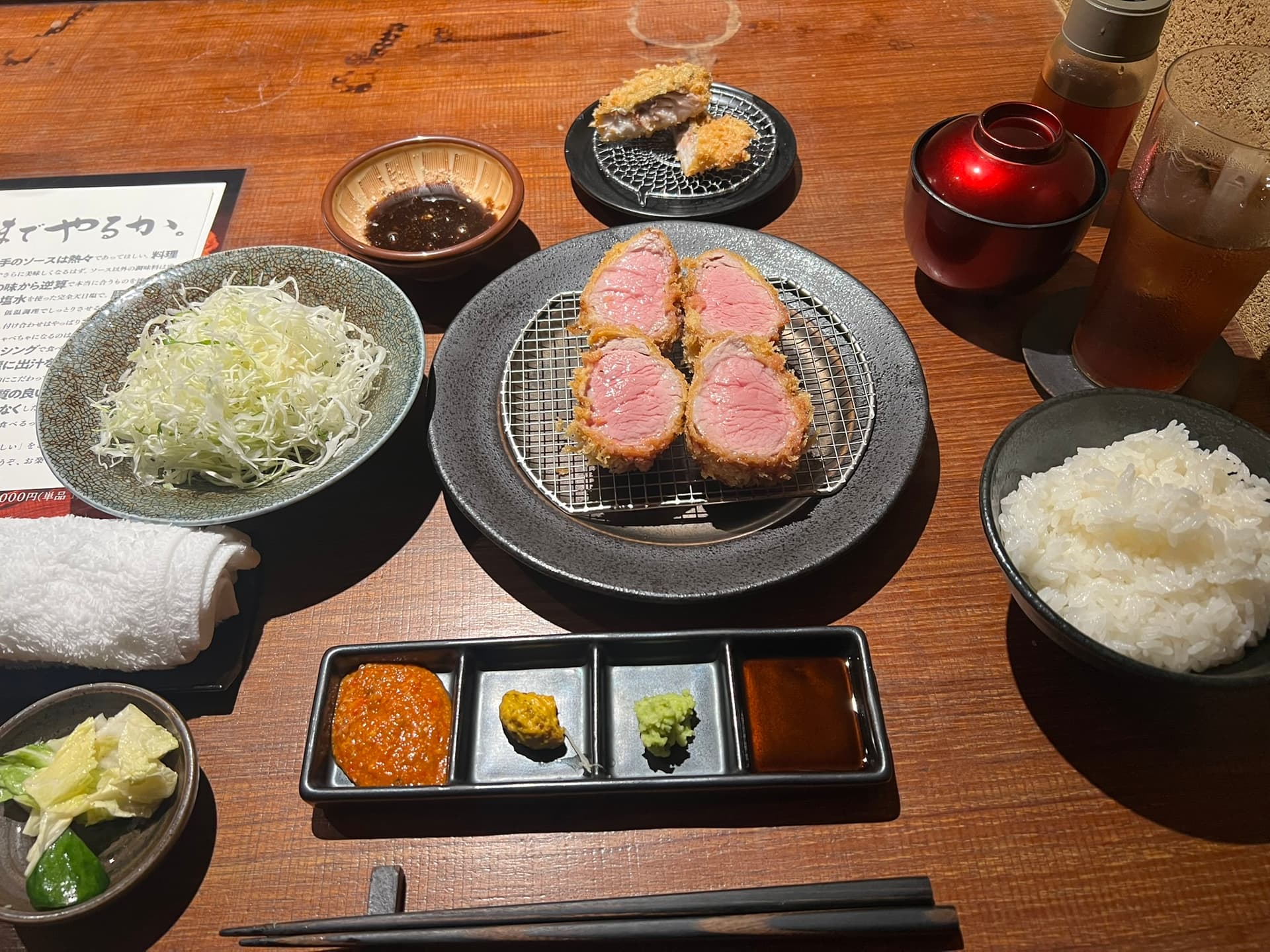
Tonkatsu Kokomadeyaruka, 1st visit.
Delicious find in Gaiemmae, not far from Tadenoha, Kurosaki, and Gaiemmae Takemoto in fact, so some of my favorites are nearby. When in Japan, I get hire cut because of the texture, but when outside of Japan, I usually favor rosu for fat.
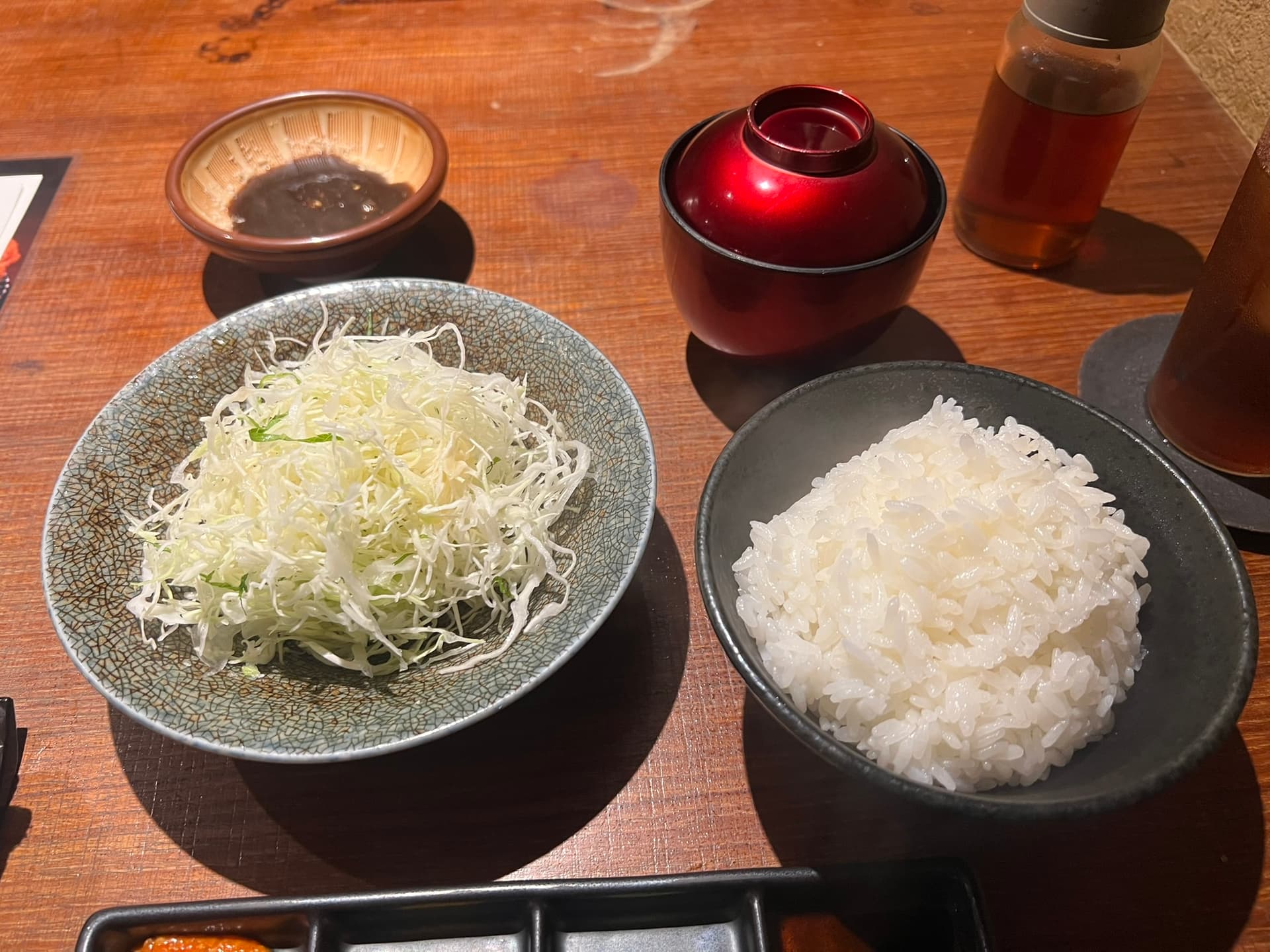
This is super good tonkatsu with unlimited rice, pickles, and cabbage that are way better than they need to be. Seriously the rice and pickles were really good I had to encore them twice. The tonkatsu sauce is hot and poured tableside just before the tonkatsu arrives and just as you grind sesame seeds.
They also have a seafood fry plate but I just got some ala carte aji furai from Noto peninsula. Delicious with tartar sauce. They also had maguro furai, menchi katsu, etc.
My new recommendation within Tokyo for anyone wanting good, slightly premium tonkatsu. Little English is spoken but they do try, and there are maybe 8-10 seats at the counter and one table or so. Reserve on Tablecheck - available for now, but I think this will continue to get quite popular especially since a Japanese celebrity recently recommended it.
-
Epais, 2nd visit to Epais but 1st to this outpost.
New outpost at the Hanshin department store in Osaka. I really like the main restaurant in Kitashinchi, but I was meeting some friends and this was closer by and easier to reserve. But I think this menu didn’t have the option / specifics of different brands of pork as the honten did.
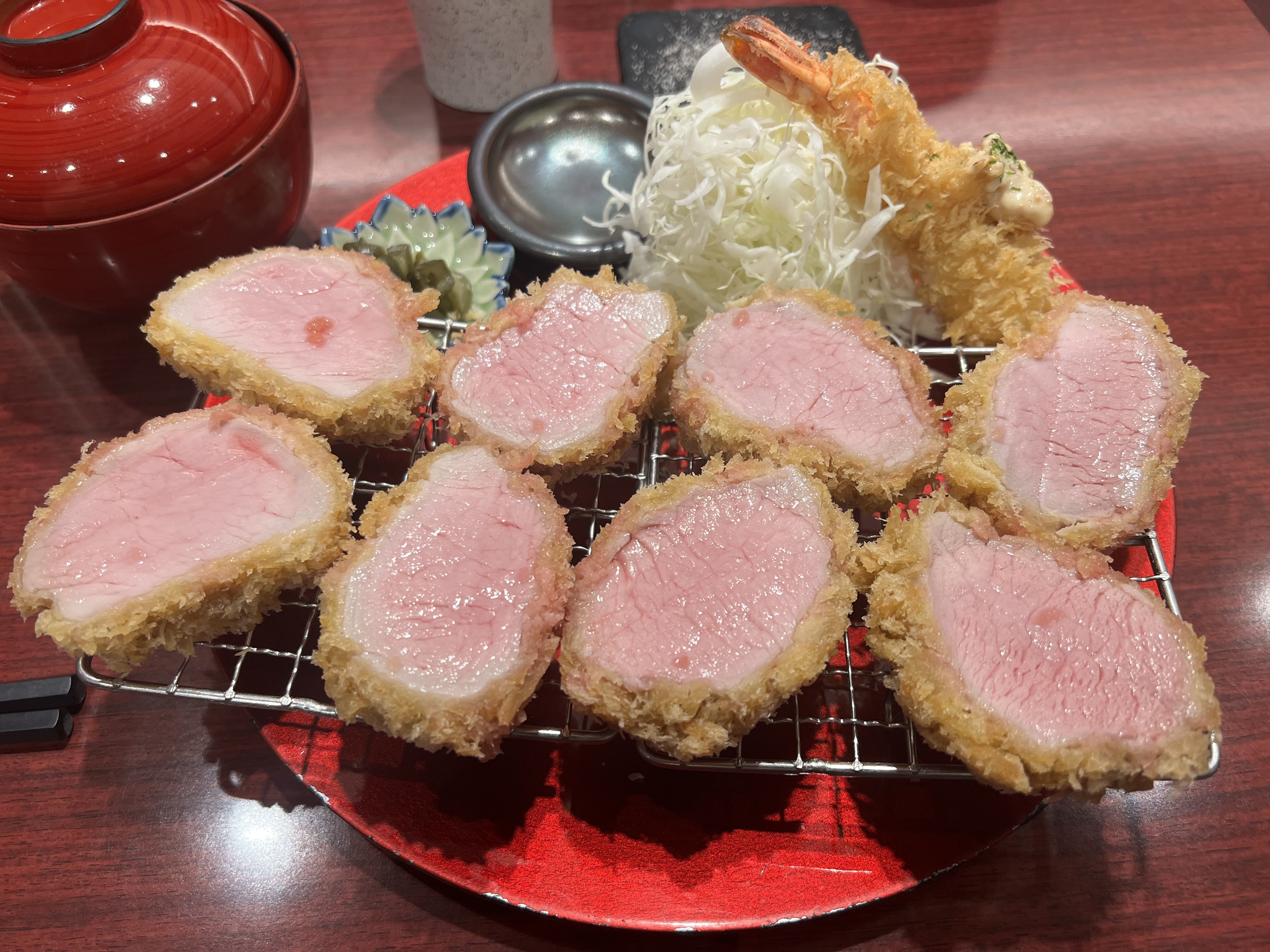
Hire here, big size (340g) - super tender. And an ebi furai with tartare sauce.
-
Grill Swiss, 1st visit.
This is a Tokyo Station outpost (in Curry Quarter near Ramen Street / Yaechika) of the restaurant that first served tonkatsu with curry. I like visiting a classic shop here and there, and I was already at Tokyo Station. Delicious! Tonkatsu isn’t quite so tender, but that’s not the point really.
-
Ponta Honke, 5th visit.
Back to this Meiji-era yoshoku institution in Ueno. This place is legendary for being the first to fry tonkatsu. I was having tonkatsu later that night so I skipped the excellent fried items (I’ve really enjoyed the kisu furai or ebi furai) and went for their beef stew.
The seasonal hamo furai and ika furai smelled excellent as they was served to a nearby table.
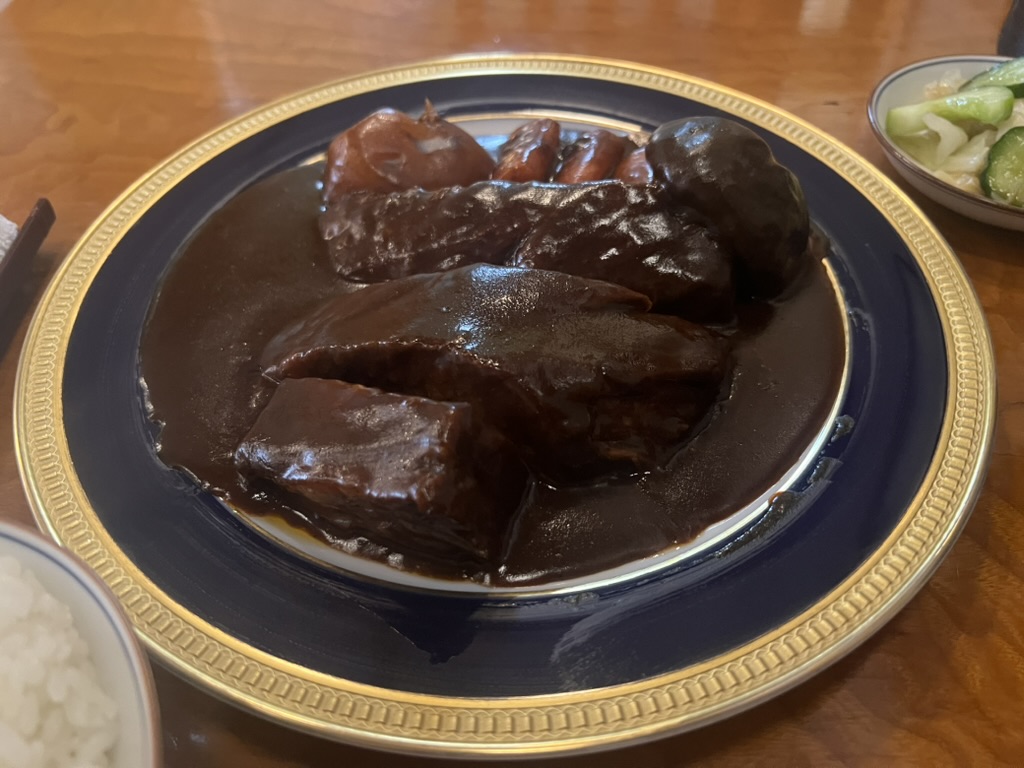
Their beef stew apparently takes 2-3 weeks to make for the deep and glossy demi-glace. Just a delicious plate but tbh I prefer their beef tongue stew for about the same price (at 6,600 yen it’s not cheap, but this place is a consistent institution that’s been open for over 100 years and has an elegant old school casual feeling). The beef tasted like short rib, and while super tender, it had a decent amount of fat and for texture and fat distribution I’d prefer the beef tongue. Can’t complain, though, this was still very delicious over rice and with a classic Kirin. Even the potato had a nice dense creaminess; this place is consistent and executes well.

Ramen
-
Menya Shichisai, 1st visit
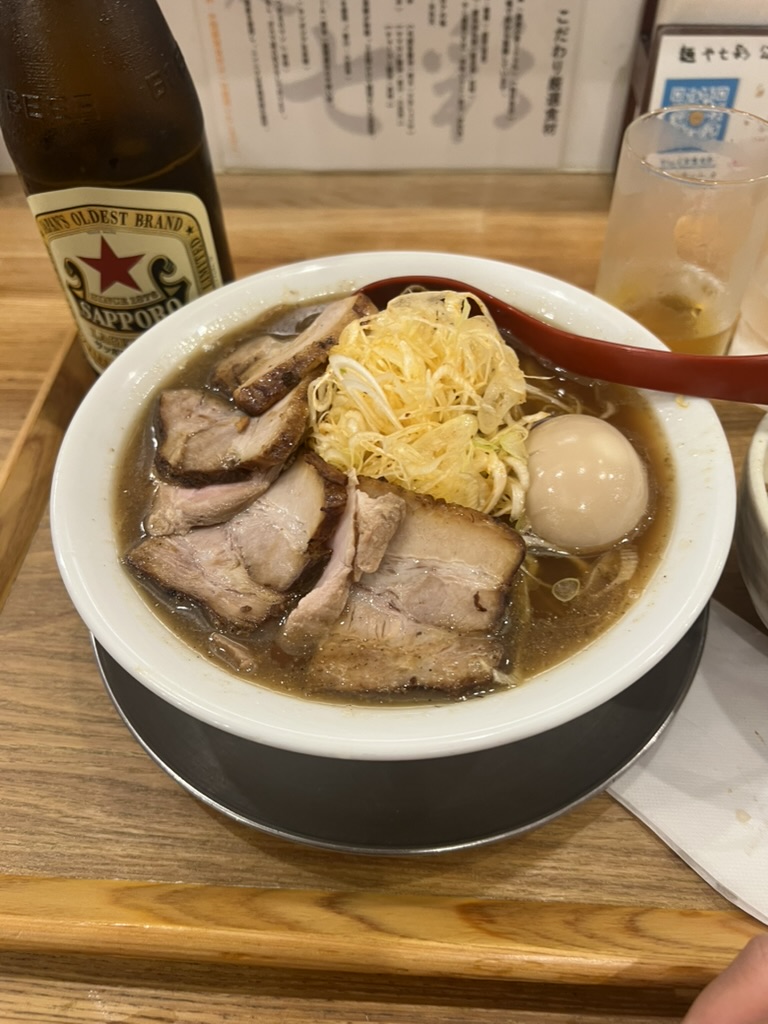
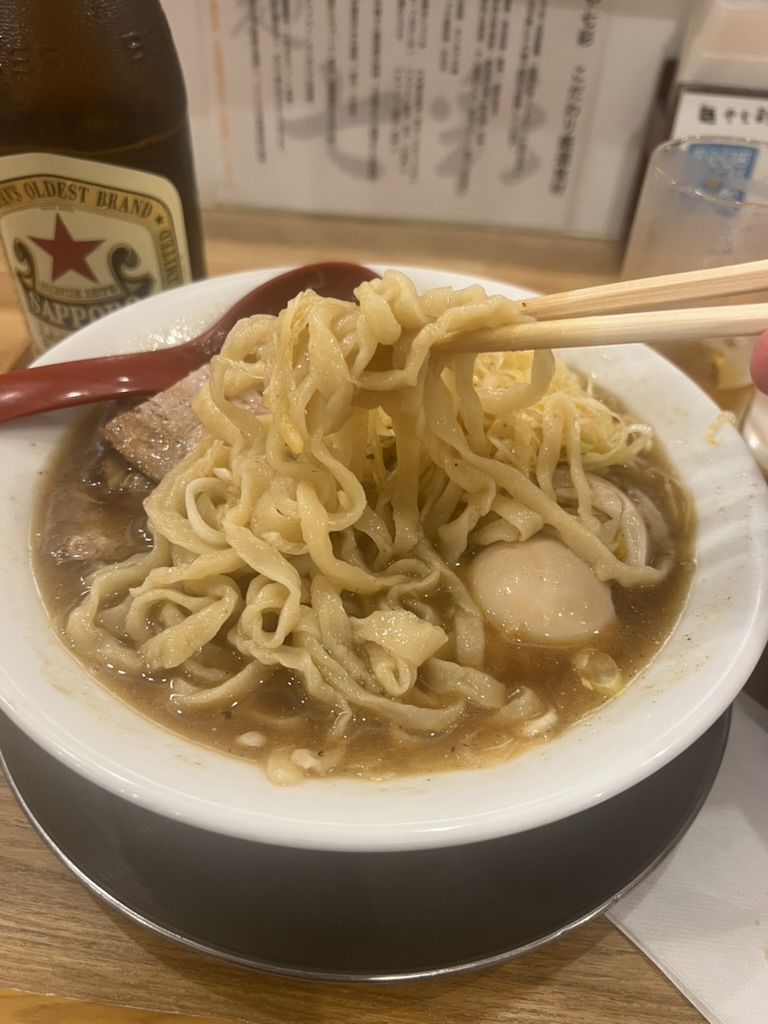
Good handmade noodles massaged to order. I got niboshi because it’s kind of a specialty, though it’s not my favorite style. I’d probably go with shoyu next time. It’s good though not my top style of ramen, but worth trying (a Tabelog 100 for ramen). In Hatchobori area near Tsukiji, so a decent option if you’re out in east Tokyo. Service was fast and efficient, and I only waited for about 5 minutes.
Good broth, but noodles are the star. Chashu pretty good, but served lukewarm on the accompanying chashu gohan which not expensive but only OK.
-
Iruca, 1st visit
Excellent yuzu shio ramen. No pictures (or you “will get a longtime ban!” per the signs). Out in Roppongi, worth the 20 minute wait. You wait to get in then you order on the touchscreen ticket machine inside. A great bowl all around.
Sake
Had about 60 sakes over this trip, not all for serious sipping more usually just coursed out with food. We did hit a few izakayas to try some more precious stuff but in settings and at prices that were still casual.
I’m not going to review all the sakes of course but here were some notable ones:
Yorokobi Gaijin muroka nama genshu (yamadanishiki)
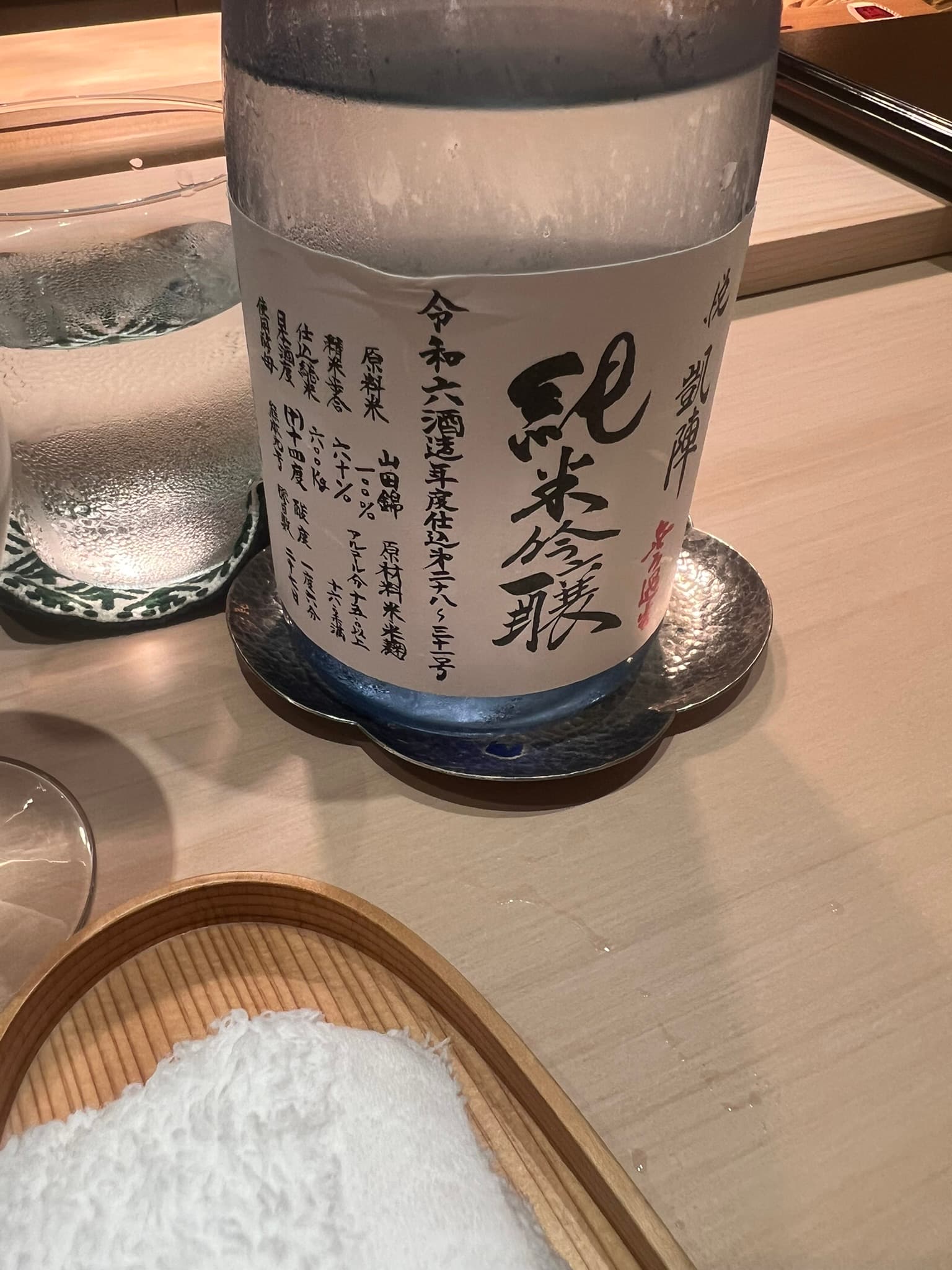
Kurosaki’s own brewed by Niizawa (omachi) - warmed for the magurozuke sequence and served out of a rustic ochoko
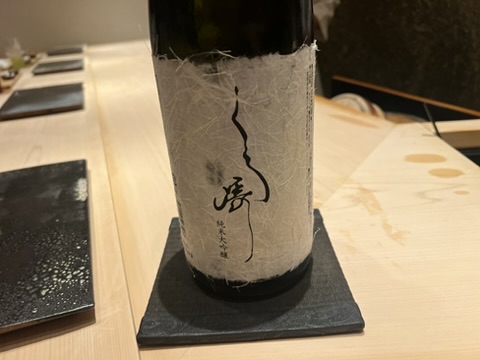
Juyondai Jyomorohaku nakadori (banshu yamadanishiki).
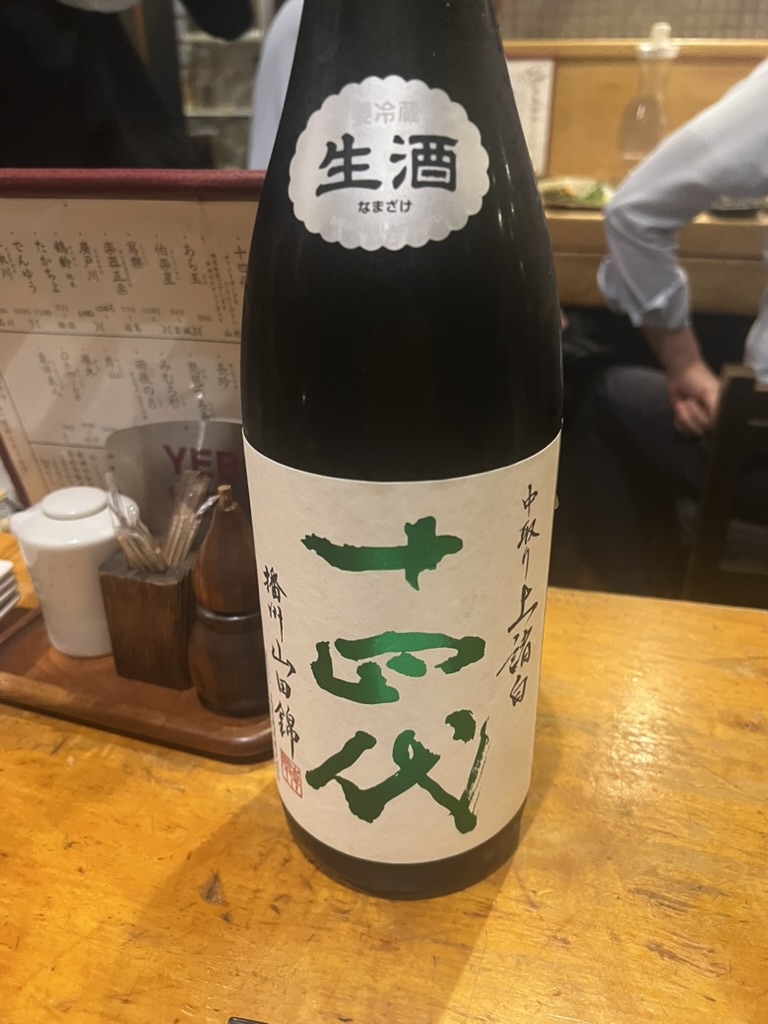
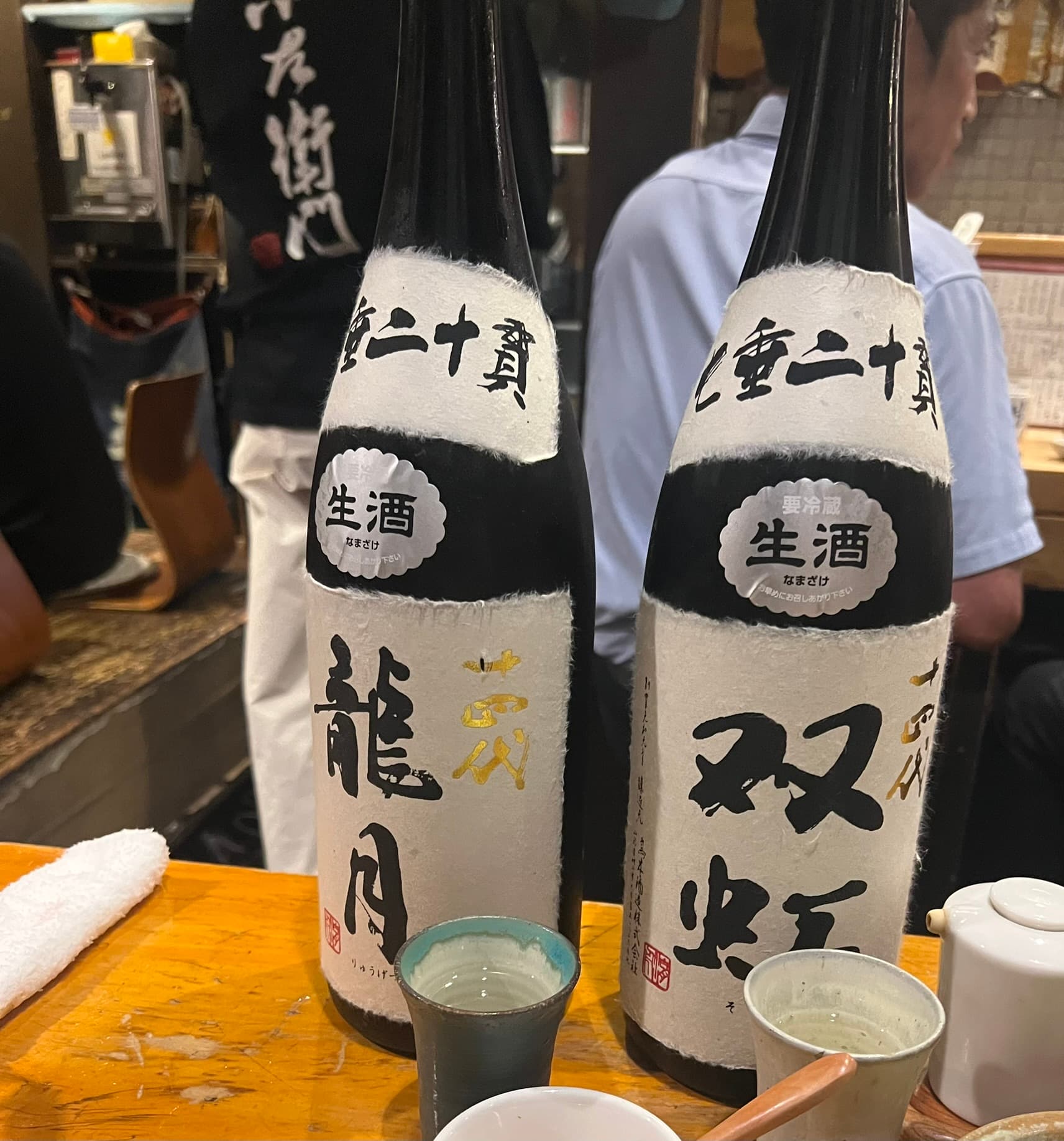
Juyondai Ryugetsu and Soukou shizuku (yamadanishiki)
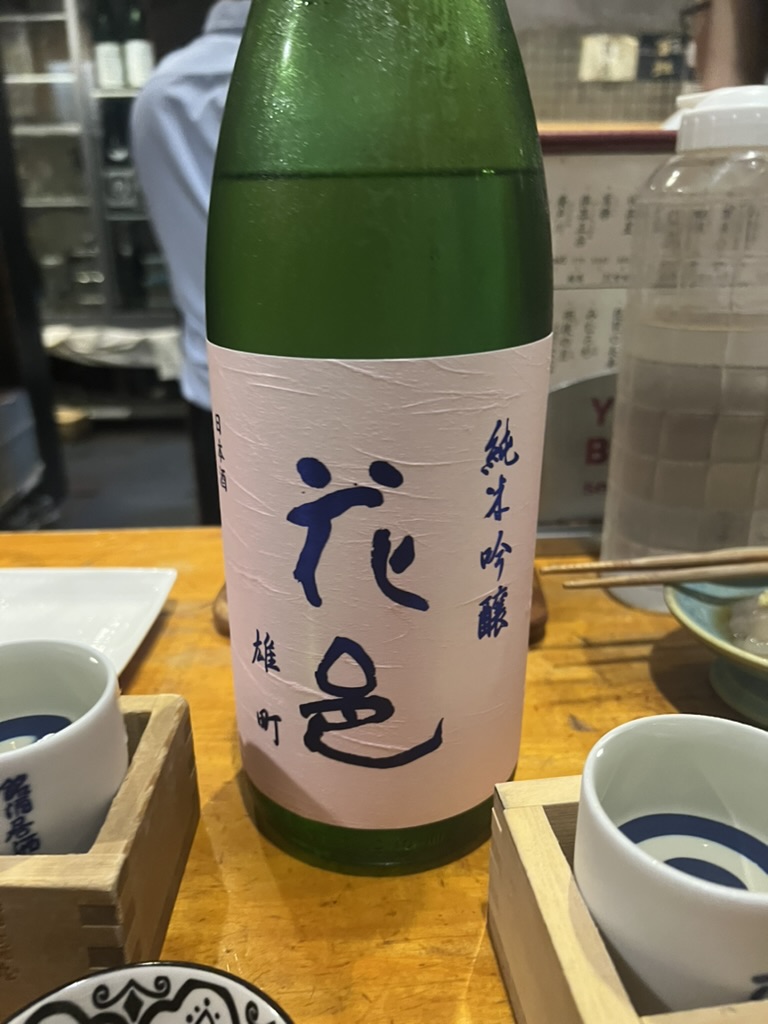
Hanamura junami ginjo (omachi)
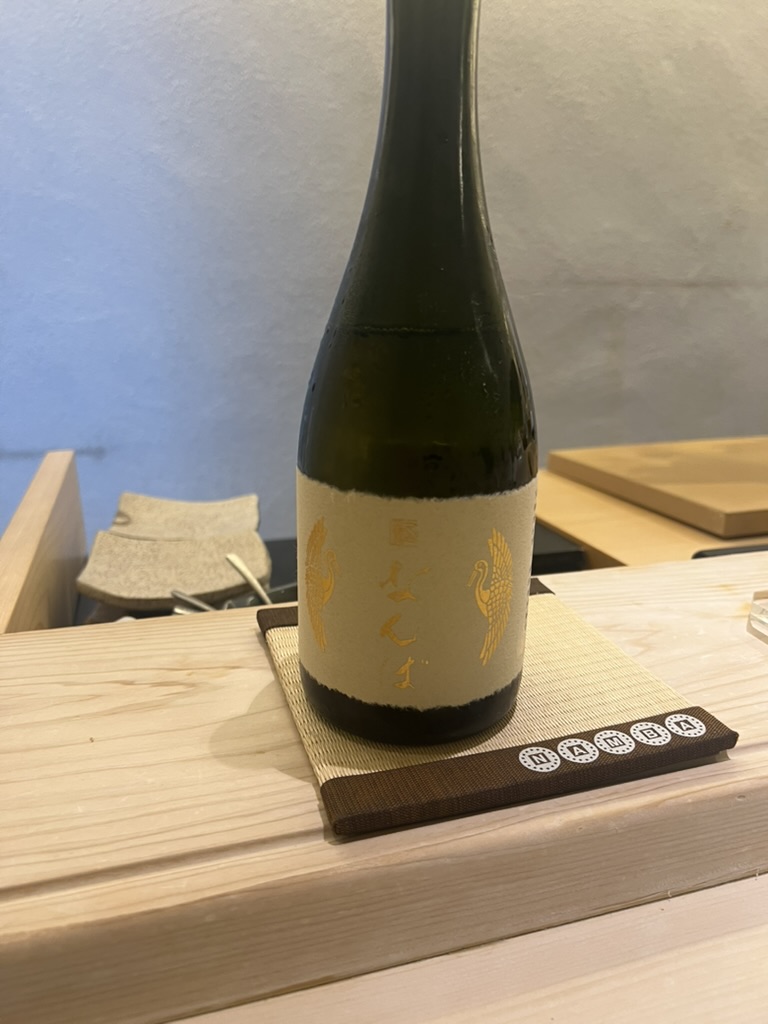
Kamonishiki Namba Edition (a mix of rices I think but yamadanishiki is noted). I’m not sure on the specifics, I call this the gold heron, but it was even better than the earlier serving of Namba Edition Kamonishiki nifudazake tank 167. This was incredible with kuroawabi in a thick abalone juice sauce encored with warm shari and aka-uni. Then with slick and sweet shima ebi. Some of the bites of the year!
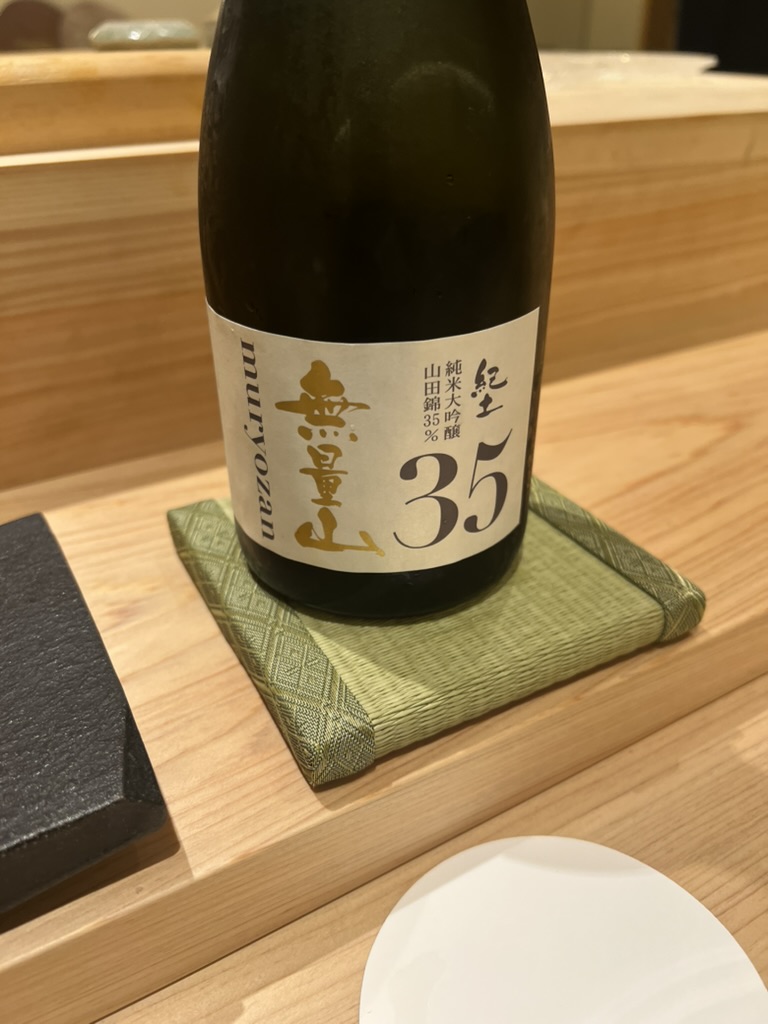
Kid Muryozan 35 2022 vintage (Toku A yamadanishiki). Muryozan wasn’t my style, a bit too dark honey, brown sugar, pineapple, and unctuous. But, it really worked with an ainame an sauce thickened with a little bit of kudzu and with pops of myoga and shiso. Then it went to the next level with xiaoxing wine-marinated Hokkaido botanebi, especially with the shrimp’s creaminess and clean funky head juices.
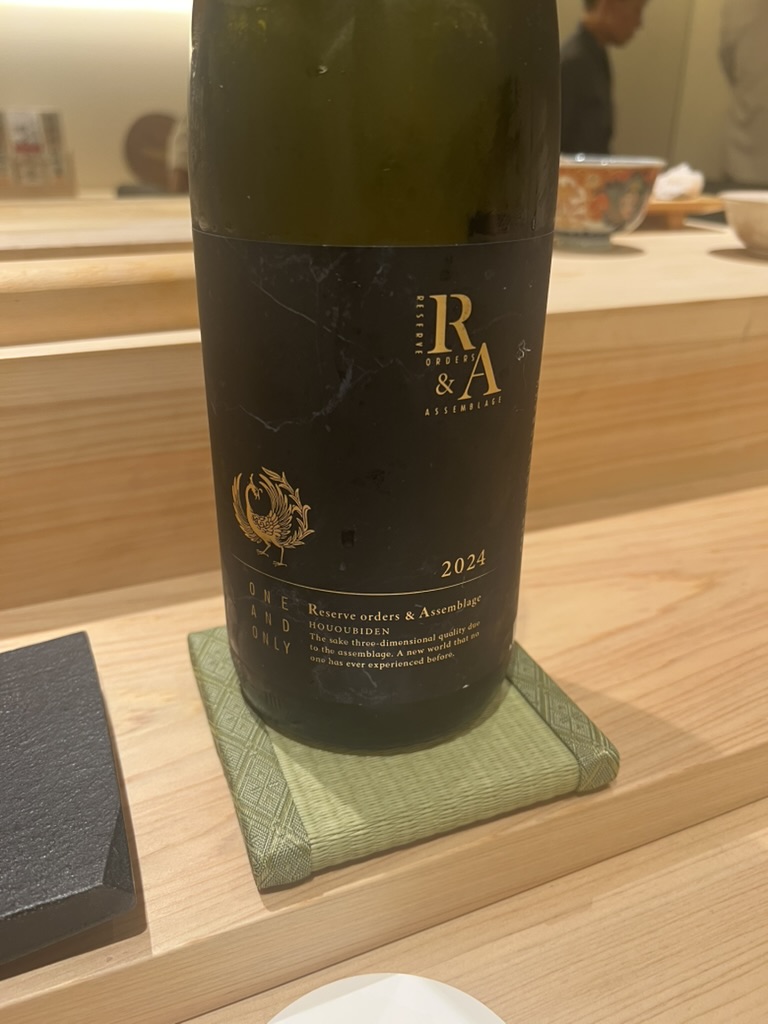
Hououbiden Reserve & Assemblage one off by Imadeya 2024, a mix of rices. So good with a range nigiri. Delicious and elegant juciness with slight carbonated feel, as they say “puchi puchi.”
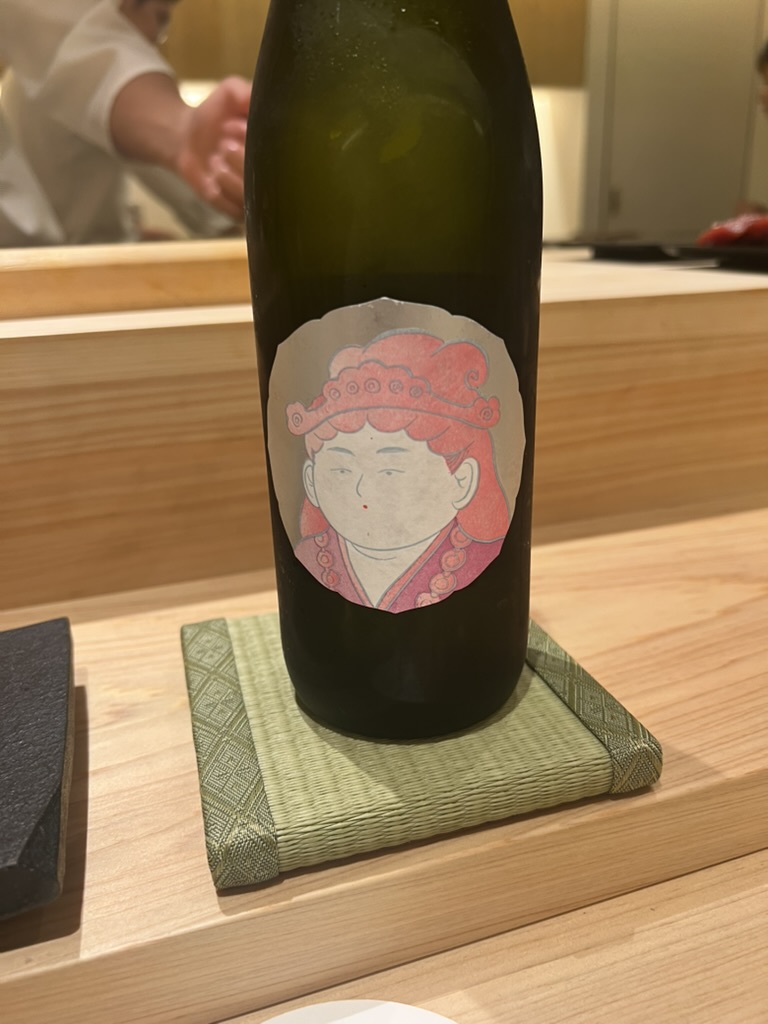
Toyo Bijin x Shiraito Shuzo “Benzaiten” (yamadanishiki). Shiraito is famous for Tanaka 65 and they have 7 different breweries doing collaborations to celebrate their 170th anniversary as part of this “Seven Lucky Gods” project. Benzaiten is the goddess of luck. One of my favorites this trip. Clear and vivid with an apple-like sweetness.
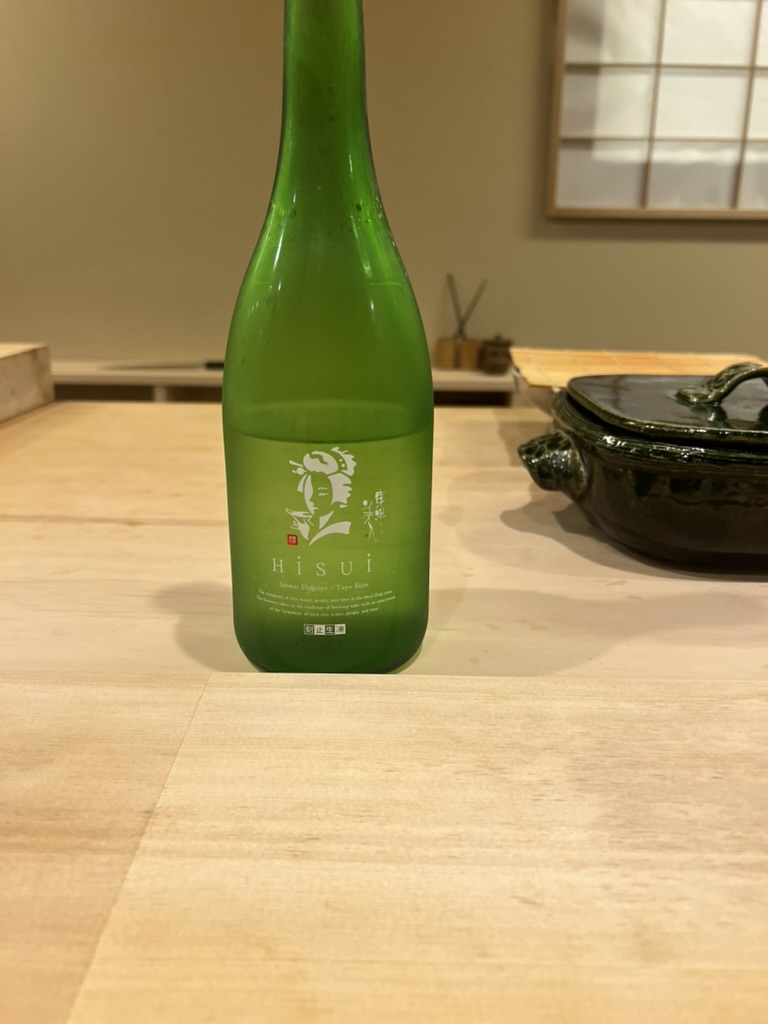
Toyo Bijin for Gaiemmae Takemoto “HISUI” (yamadanishiki)
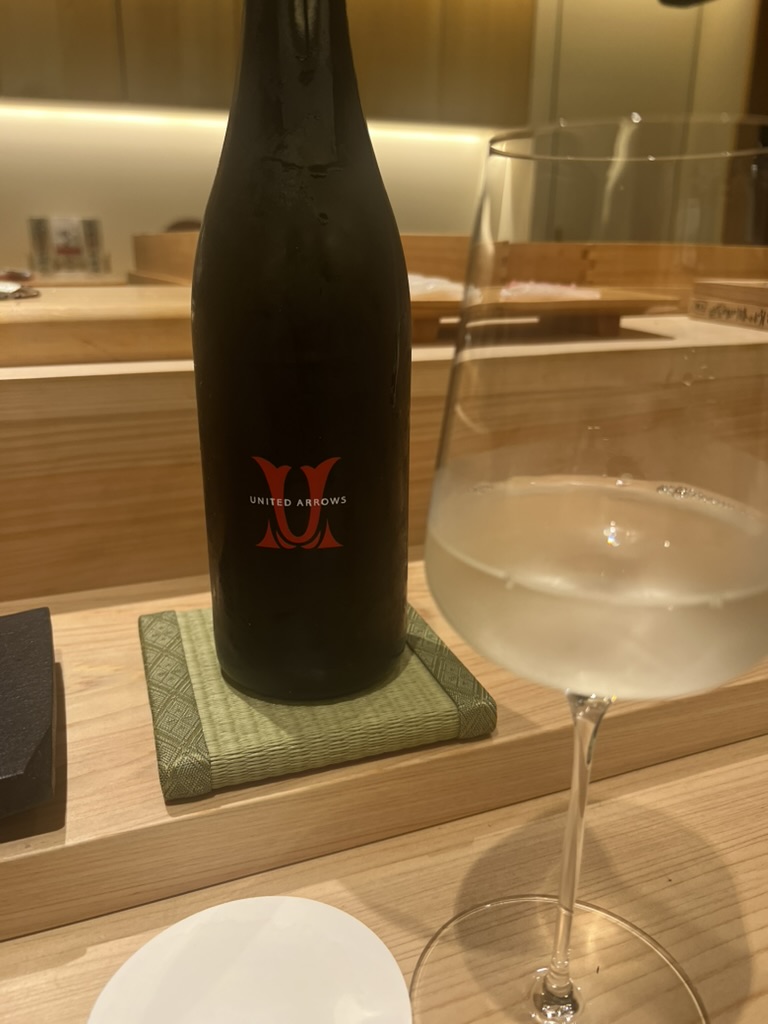
Akabu X United Arrows special junmai daiginjo for 2025 (yuinoka).
Akabu Kohaku, just released for autumn (ginga no shizuku)
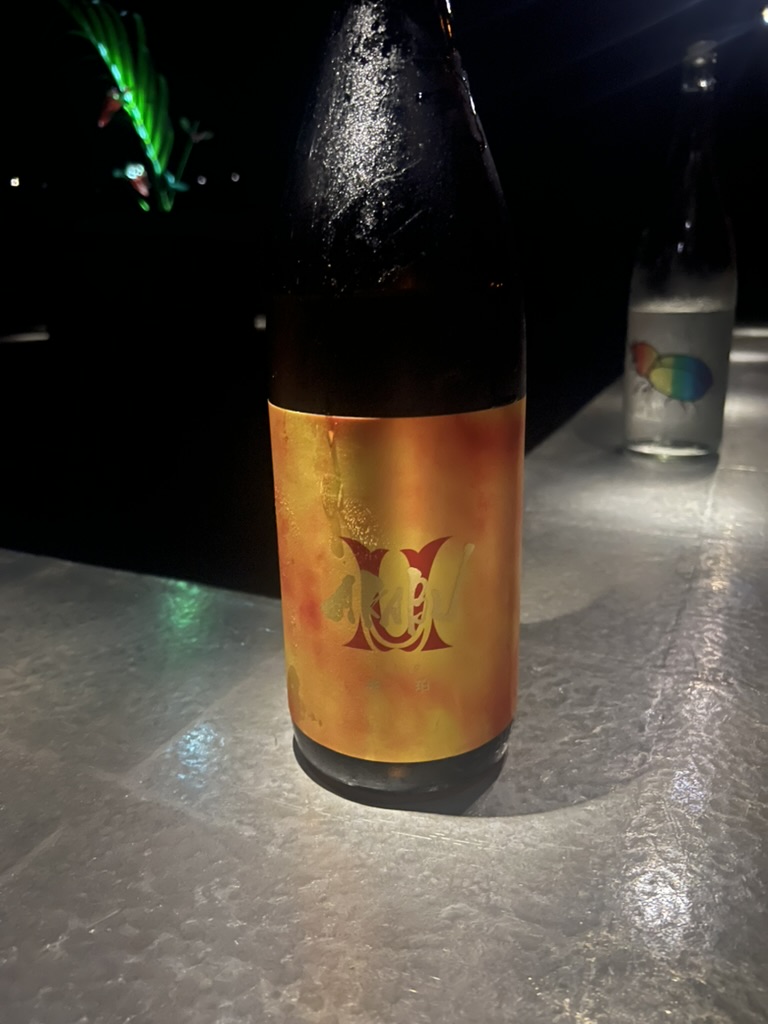
Senkin x United Arrows beetle - well this is more of an aperitif style, quick with a light bitter fresh impression. Not super characteristic on its own for long sipping but to cool down this had a nice impression.
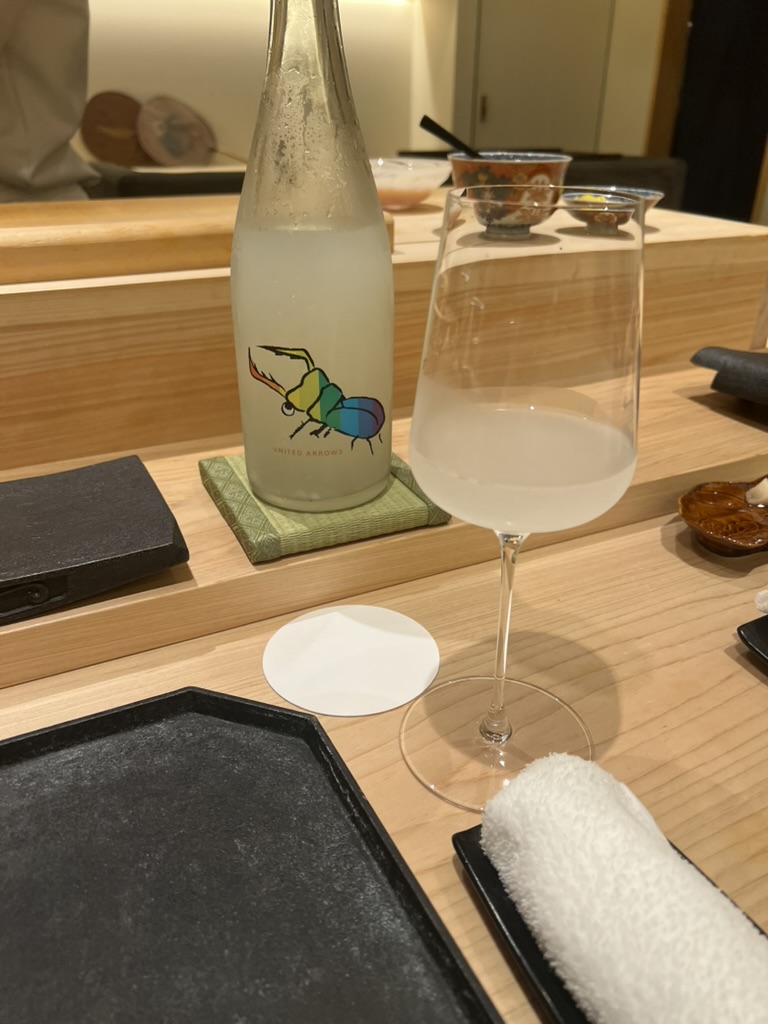
Senkin Senko Hanabi (domaine sakura omachi and yamadanishiki). Crisp, lightly sparkling and lactic juicy with a clean finish. Good as a welcome drink or even with a light dessert.

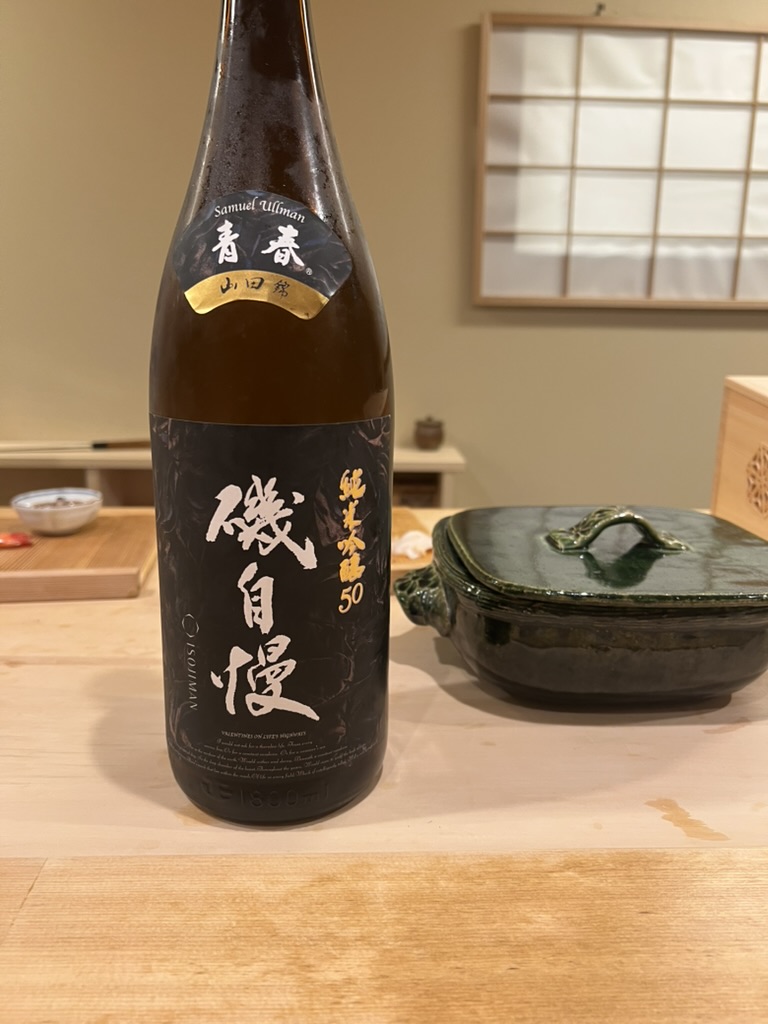
Isojiman “seishun” Samuel Ullman junmai ginjo (yamadanishiki)
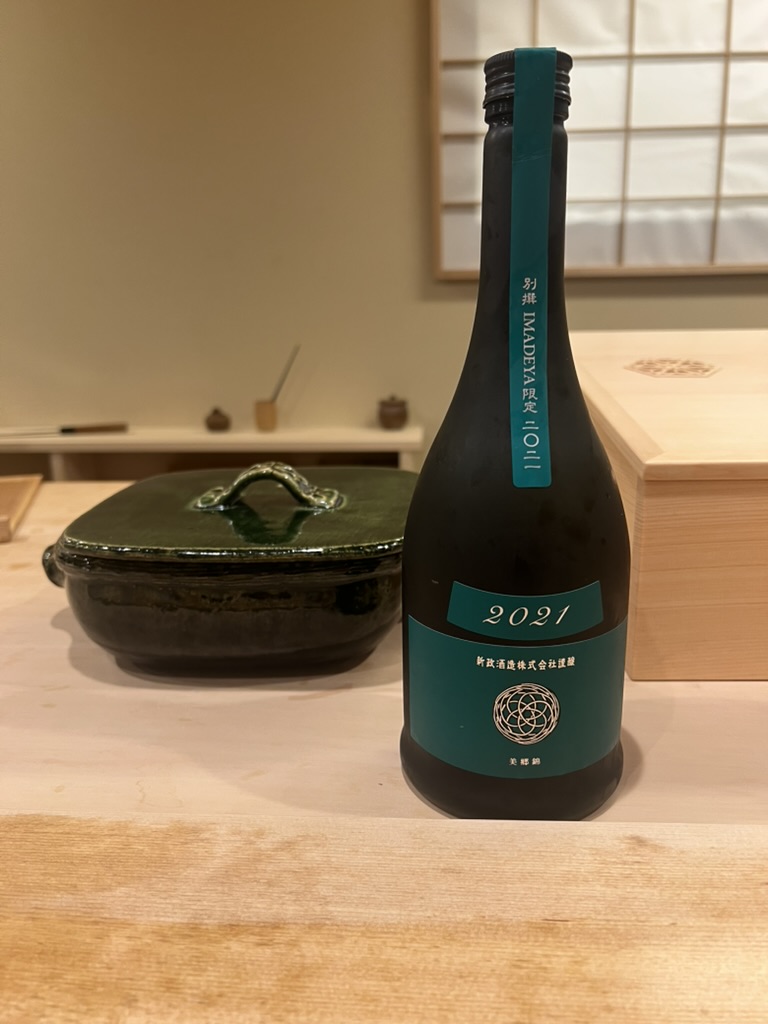
Aramasa Viridian aged by Imadeya 2021 (misato nishiki)
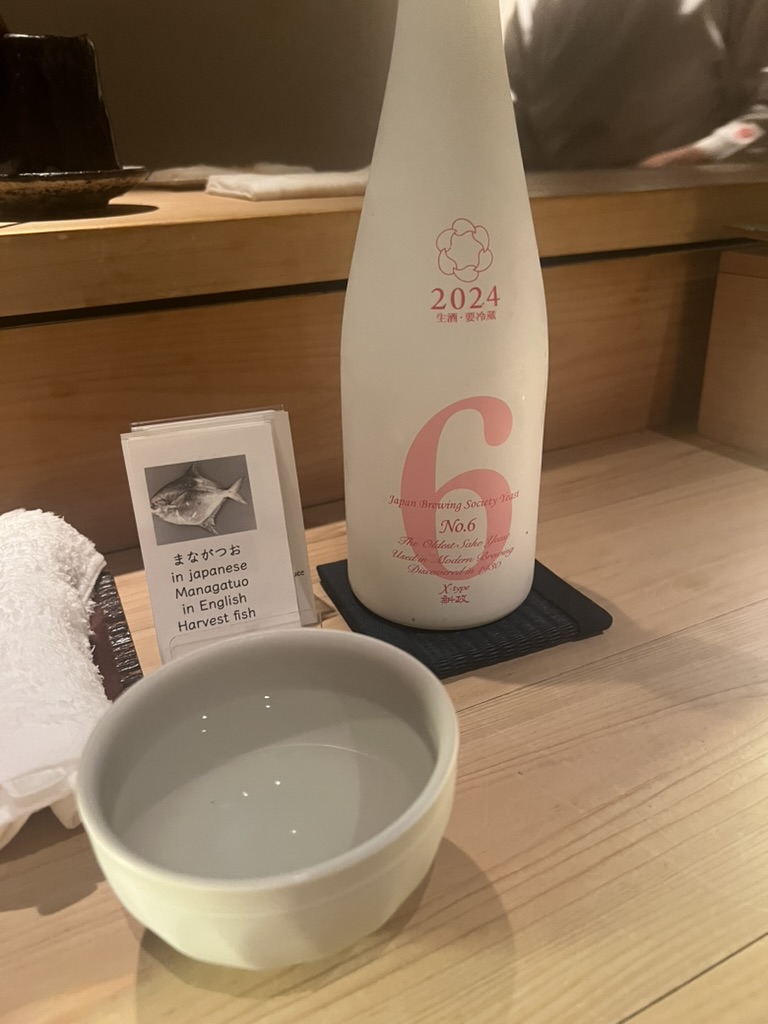
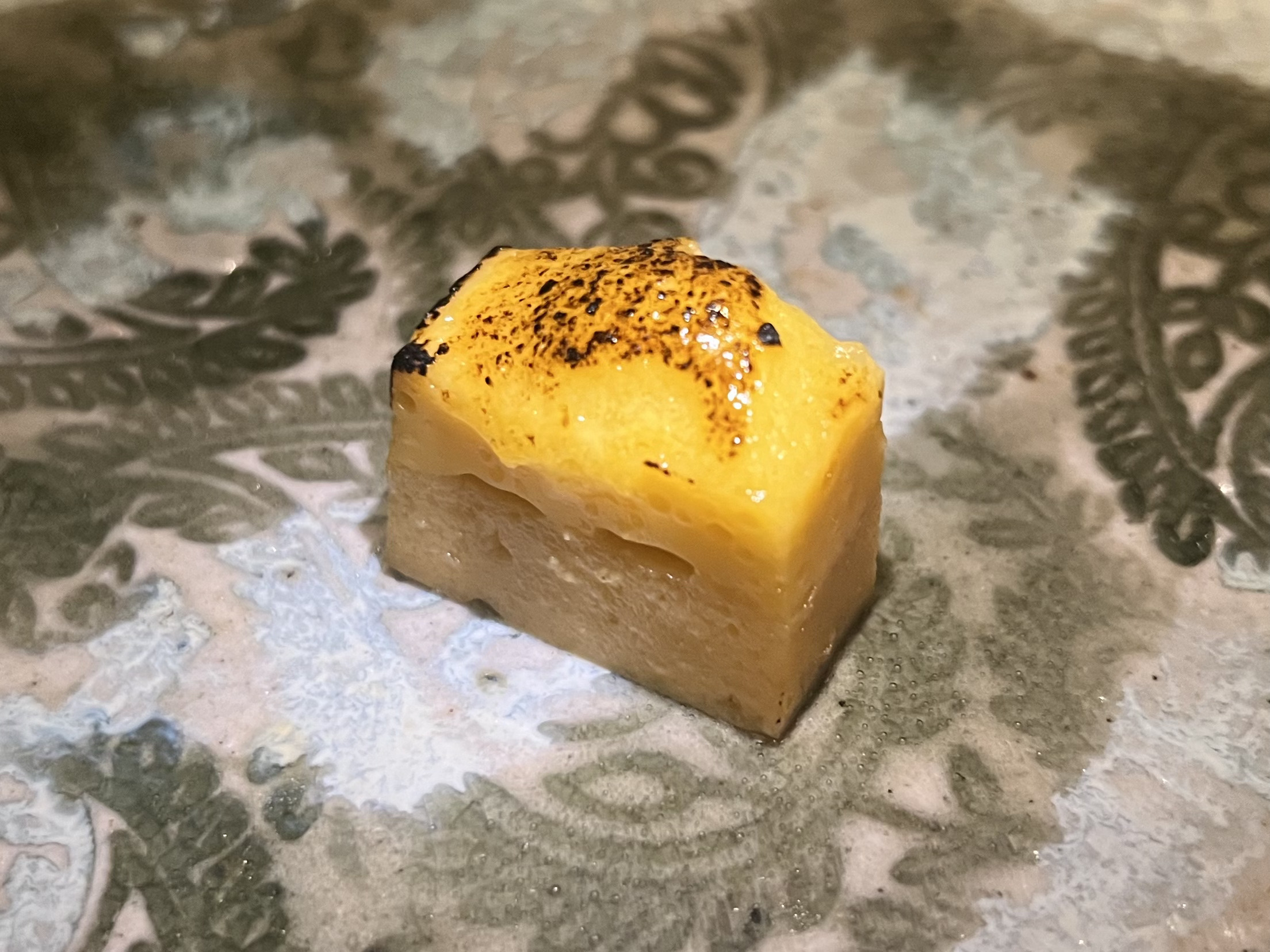
Aramasa No.6 X-Type 2024 (sakekomachi) - at restaurants, it’s worth it though at funny retail it’s not. Nonetheless very good with a brulled tamago. Personally I prefer to drink S-Type but X-Type’s elegant sour sweetness can work with specific pairings.
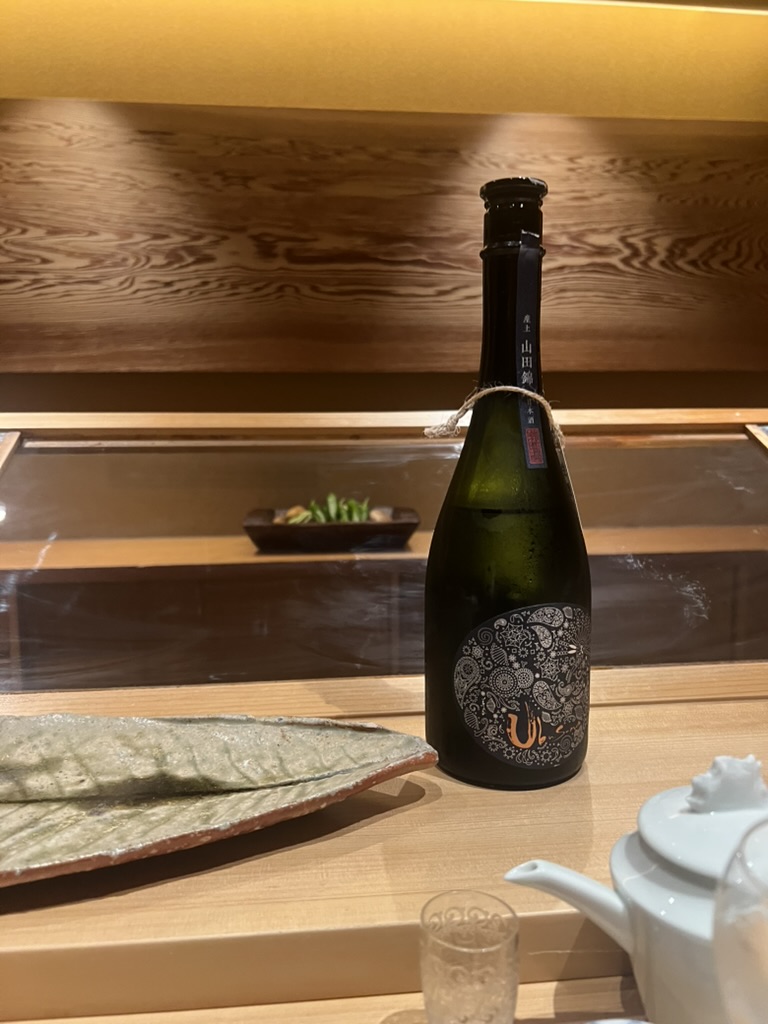
Ubusuna ninoujyo (yamadanishiki) - great, and a nice match with some kumamoto kurumaebi.
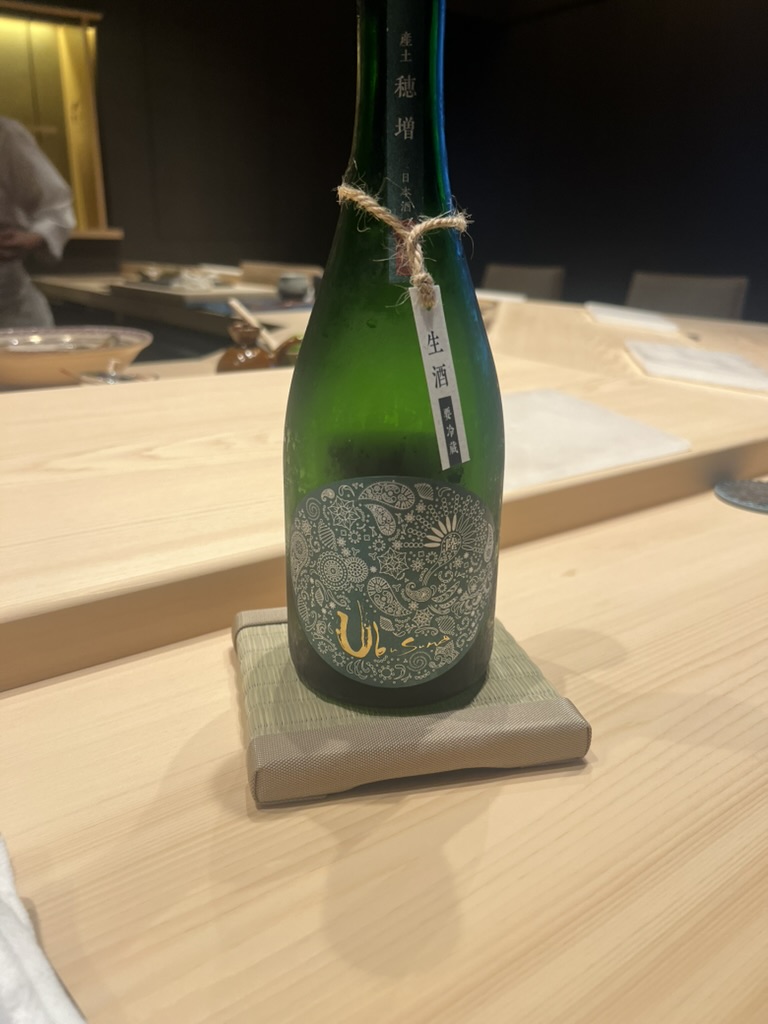
Ubusuna rokunoujyo (homase) - great, a nice welcome with some umibudo and shirasu
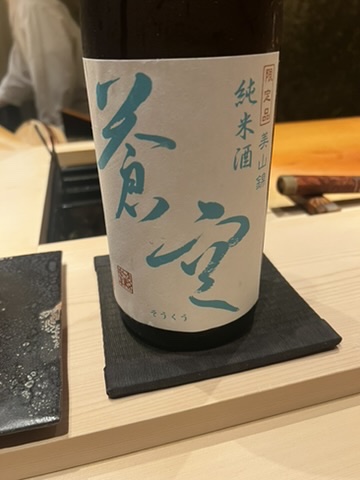
Soukuu junmai (miyamanishiki) - transparent smooth and elegant not flashy sweetness, a supporting role to very sweet botanebi, super umami kegani chawanmushi, etc.
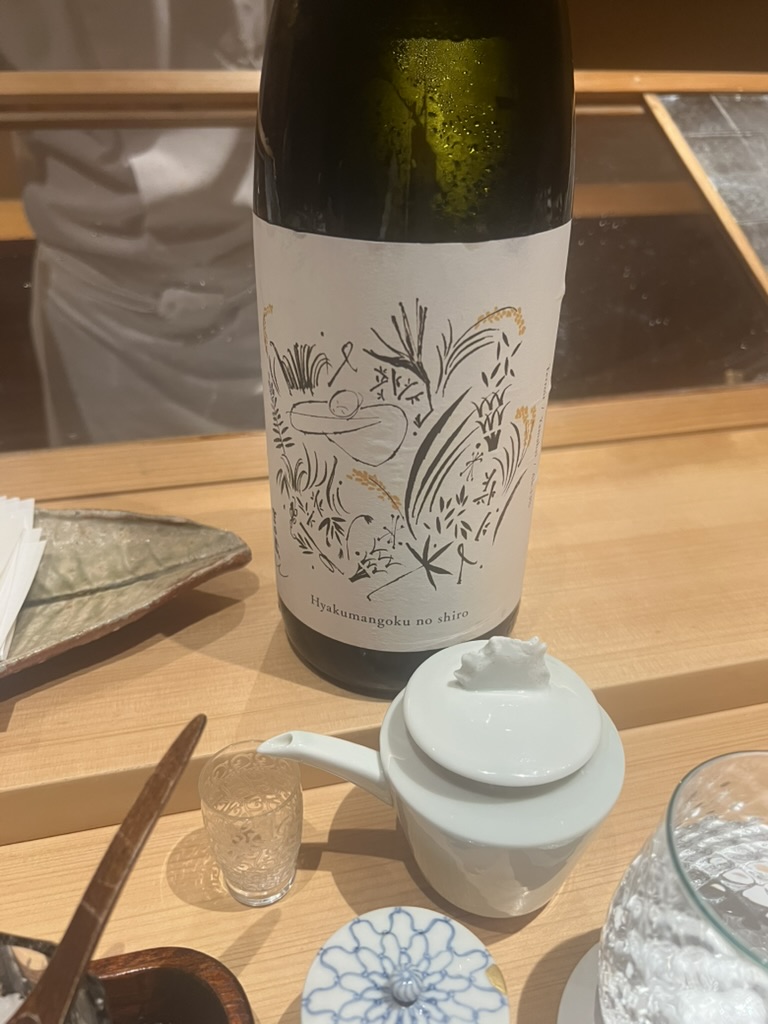
Yoshida Kura-U modern yamahai (hyakumangoku no shiro). Excellent with naturally sweet corn.
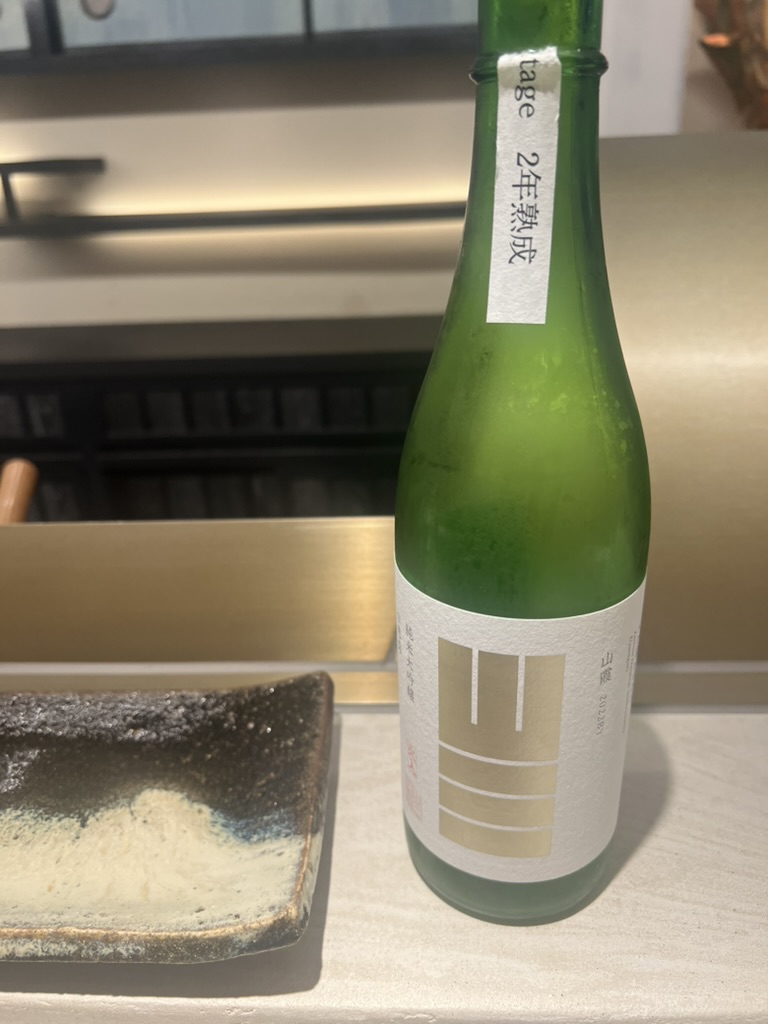
Yamasan BY22 first vintage usunigori junmai daiginjo (yamaenishiki) - good with a sweet corn surinagashi.
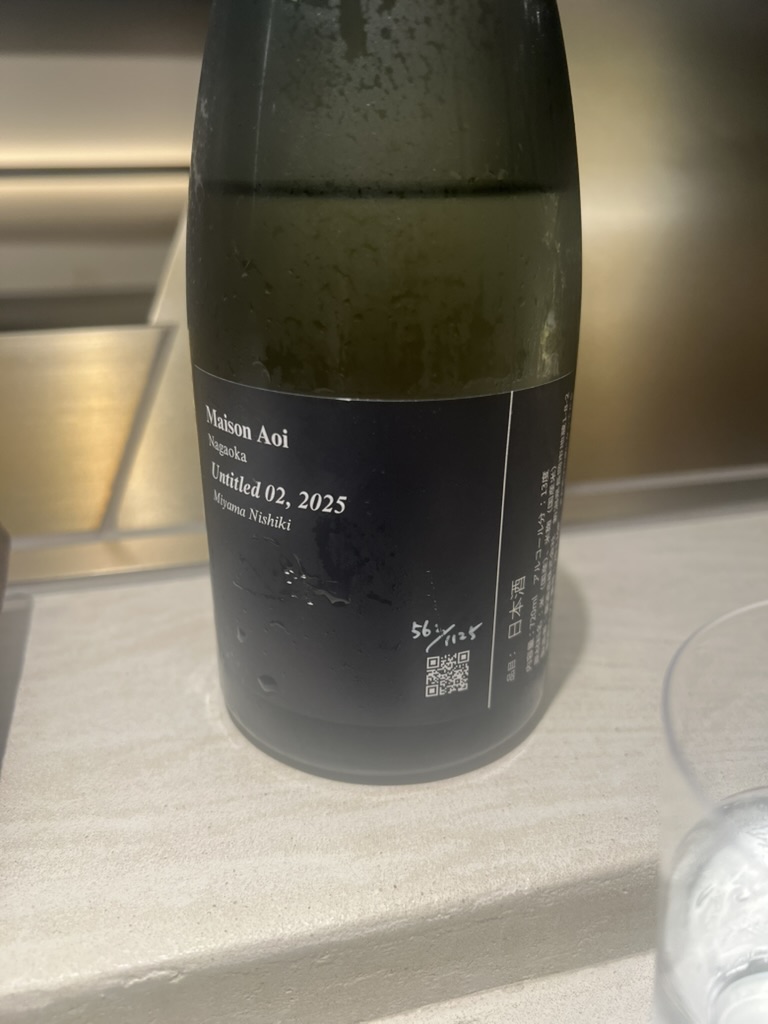
Maison Aoi Untitled 02 (miyama nishiki) - good lively attack, and straight, though it might lack a little bit of character, it was good with anago tempura to not intefere with the taste but it rather complement the mouthfeel of the fine batter.

Hiroki junmai daiginjo (yamadanishiki) - a classic

Motozaka “Hotaru” (only when the fireflies visit the water)
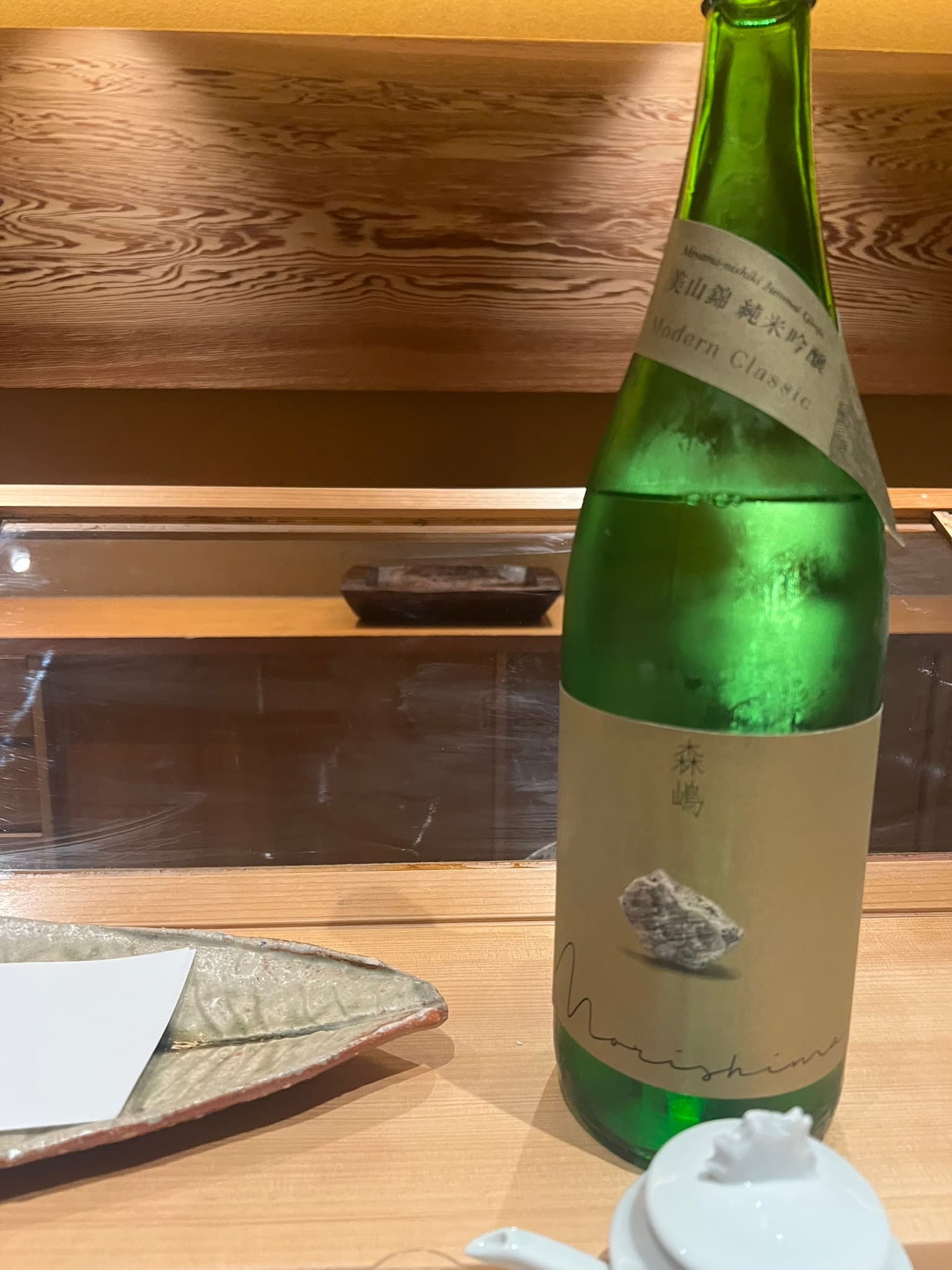
Morishima Modern Classic (miyama nishiki)
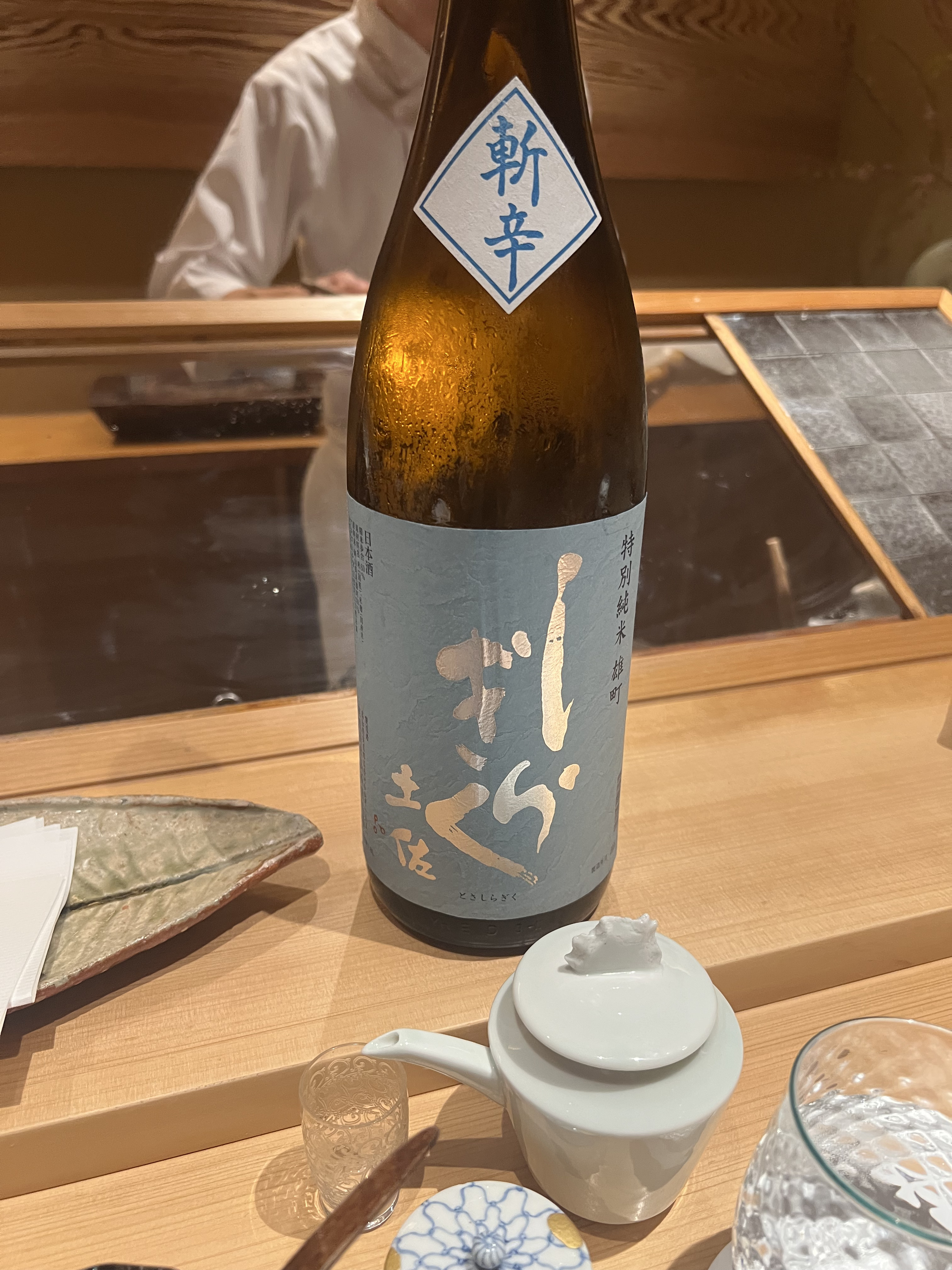
Tosa Shiragiku tokubetsu junmai (omachi)
Genzai tokubetsu junmai (yume no kaori) - great with corn tempura